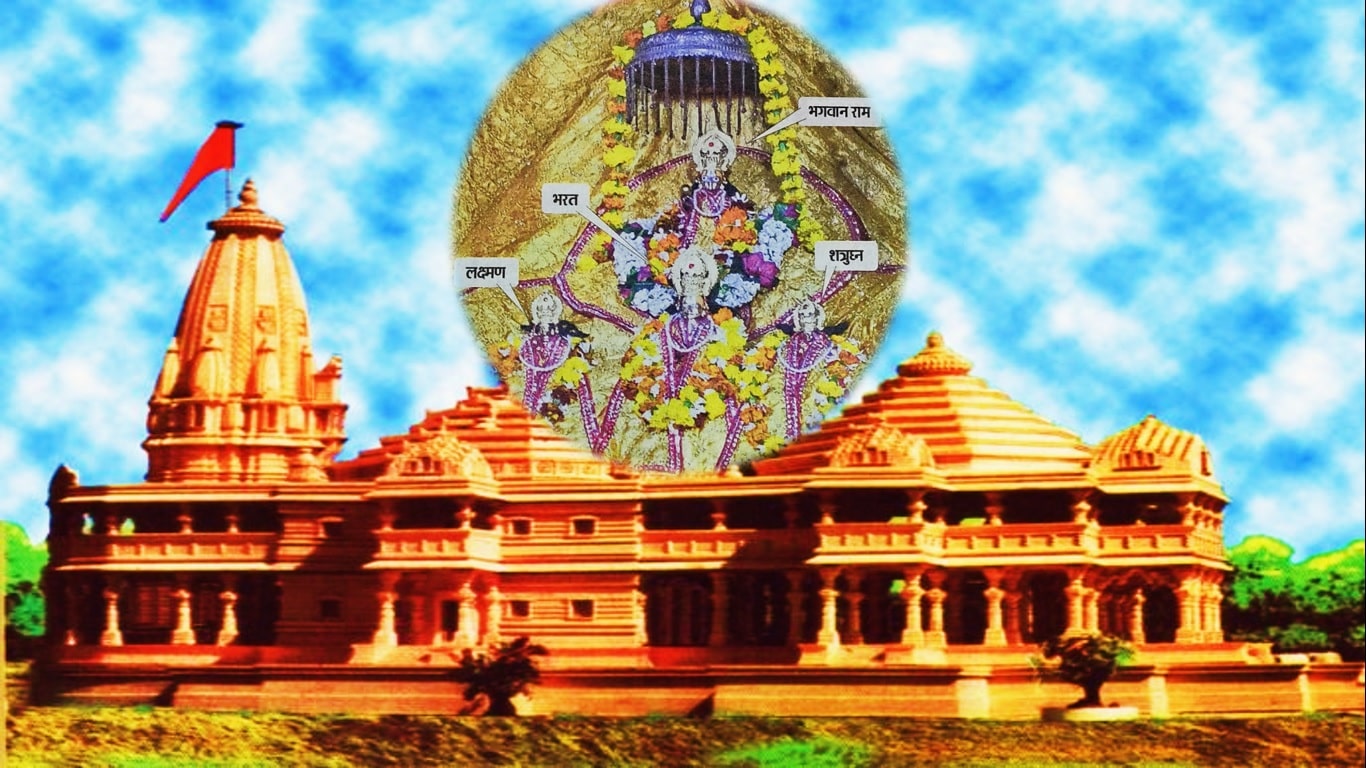
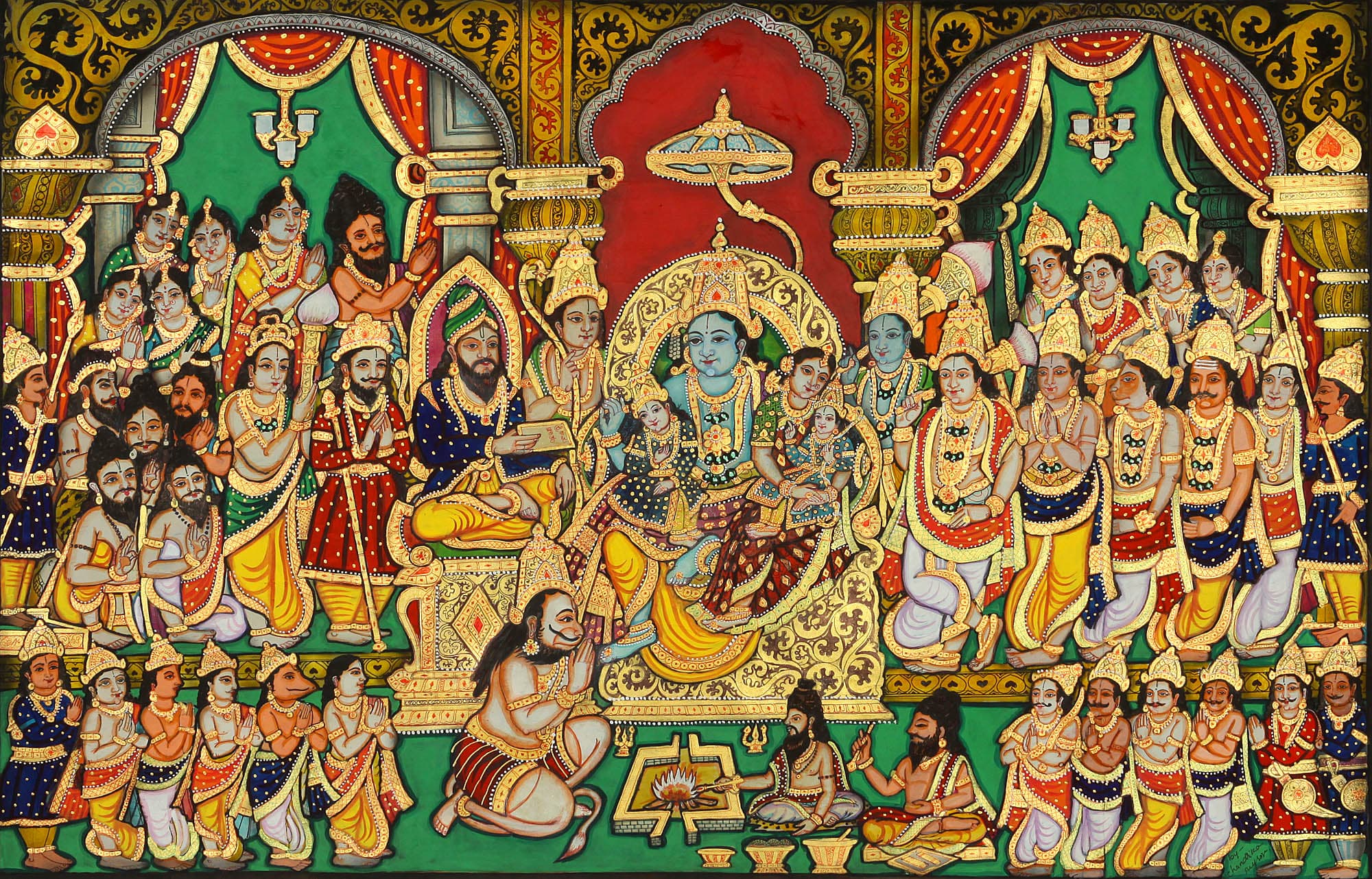
Even today, whenever I think of the Shri Ram temple, the reality of Ayodhya feels like a dream. And now that it is about to come true, an even greater rush of dreams stirs within the heart. Not merely the 67 acres of the Janmabhoomi (birthplace) land, but the whole of Ayodhya awaits Vishwakarma, the divine architect. This unconquered land of the Ikshvaku dynasty, once the capital of the entire terrestrial sphere—I wish to see it just as Maharshi Valmiki must have seen it, Maharshi Kambar must have experienced it, and Tulsidas ji must have enshrined it in his heart. Today, Ayodhya stands on the threshold of rebirth..
I list below my thoughts on the reconstruction of the Shri Ram Janmabhoomi:
Who Should Head the Shri Ram Janmabhoomi Trust?
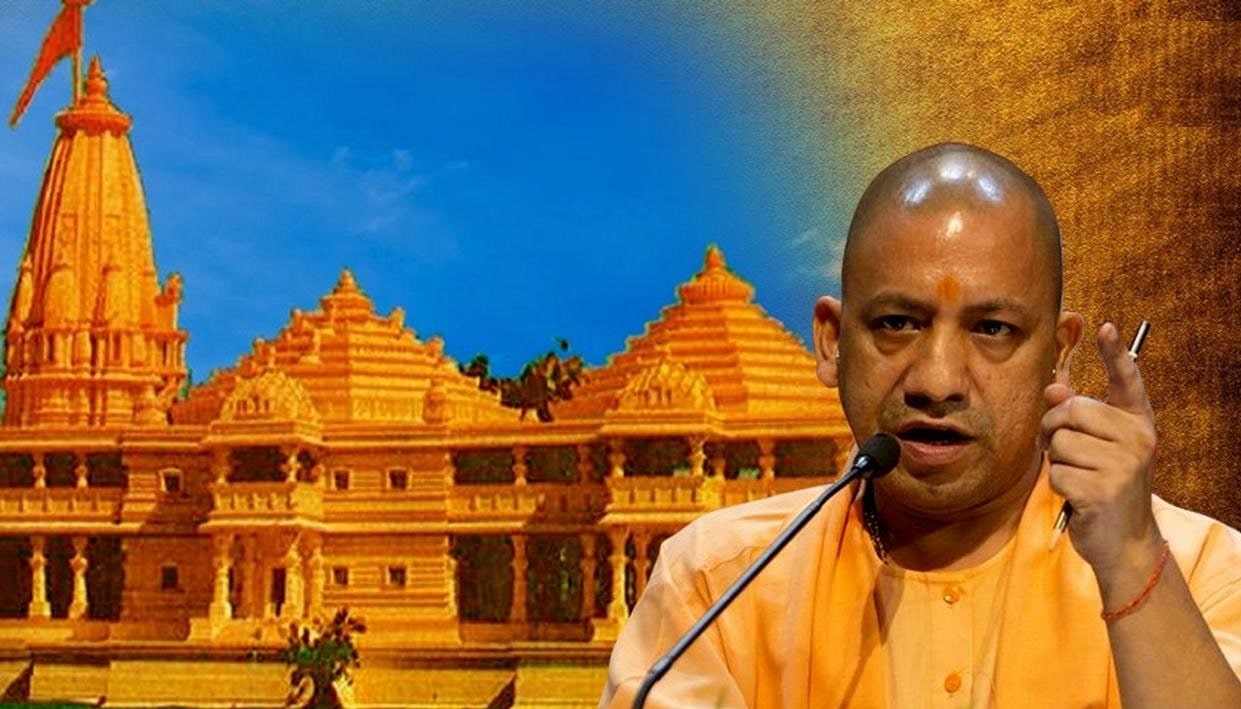
First of all, who should be the president of the Shri Ram Janmabhoomi Trust? Looking at Hindu history, most of the grand temples and divine palaces scattered across India were built under the personal supervision of kings, maharajas, and emperors, who set every single stone in place with devout care. Such temples were constructed under the guidance of Brahmins versed in vastu (traditional sacred architecture) and shastras (scriptures), and the entire Hindu society—from the wealthiest to the humblest—participated. In my personal view, the Suryavanshi Kshatriya Chief Minister and Gorakshapeethadhisvara Mahant Shri Yogi Adityanath ji should be the president of the Ram Mandir Trust. His guru-tradition has shed sacrificial blood for the cause of the Janmabhoomi; Mahant Shri Avaidyanath ji was also the president of the Ram Janmabhoomi Nyas. However, since the present secular apparatus and politics have routinely misused temple funds and resources, Yogi ji must hold this presidency in his capacity as the Gorakshapeethadhisvara, ensuring his position in government serves as a promoter of Hindu interests, not an obstacle. The state authority, tradition, saintliness, pure devotion, and strong command across economic, social, political, and religious spheres required for the unhindered presidency of temple construction are within his prerogative. He has already shown a glimpse of his dreams for Ayodhya's rebirth through the grand celebration of Deepotsav; therefore, his becoming the president would be optimal for the obstacle-free reconstruction of Ayodhya. Today, the moment the Trust is mentioned, a frantic scramble has broken out among certain so-called trustee-saint communities. Those who slept through the movement are now restless to join the Trust; those who constantly fight among themselves cannot be entrusted with this solemn, sacred task of the Hindu Rashtra.
Inclusion of the Sant Community and Heroes of the Janmabhoomi Movement
In the Shri Ram Janmabhoomi Trust, there should be an august and unified representation of great acharyas and sants from the diverse sampradayas (traditions) of Sanatana Dharma, who will guide the comprehensive religious resurgence of Ayodhya, including the Janmabhoomi, as a global center of Sanatana Dharma. The Ram Mandir will be built only with the blessings of sants. Chiefly:
1. Mahant Shri Nritya Gopal Das ji Maharaj, President of Shri Ram Janmabhoomi Nyas and pioneer of the movement,
2. Ramanandacharya Shri Rambhadracharya ji Maharaj, who presented irrefutable arguments in court in favor of the Janmabhoomi,
3. Udupi Pejavara Matha Madhvacharya Swami Shri Vishvesha Tirtha ji Maharaj, who was among the founding members of the VHP and raised the proclamation: 'Sodarā hindavaḥ sarve na hindū patito bhavet' (All Hindus are siblings; no Hindu can be fallen),
4. Sadhvi Rithambhara ji, a vanguard and the very embodiment of the Janmabhoomi movement,
5. Puri Shankaracharya Swami Shri Nischalananda Saraswati ji Maharaj, who refused to sign the Ramalaya Trust,
6. Sringeri Shankaracharya Shri Bharati Tirtha Swamigal,
7. Ramanujacharya Shri Chinna Jeeyar Swamiji,
8. Ramanujacharya Vidyabhaskara Shri Vasudevacharya ji Maharaj,
9. Kanchi Kamakoti Shankaracharya Shri Vijayendra Saraswati ji Maharaj,
10. Shri Kameshwar Chaupal ji, who laid the foundation stone (shilanyas) of the Shri Ram Mandir,
11. Juna Peethadhisvara Shri Avdheshanand Giri ji Maharaj,
12. Representatives of other prominent Hindu religious sampradayas and organizations should also be members of this Trust.
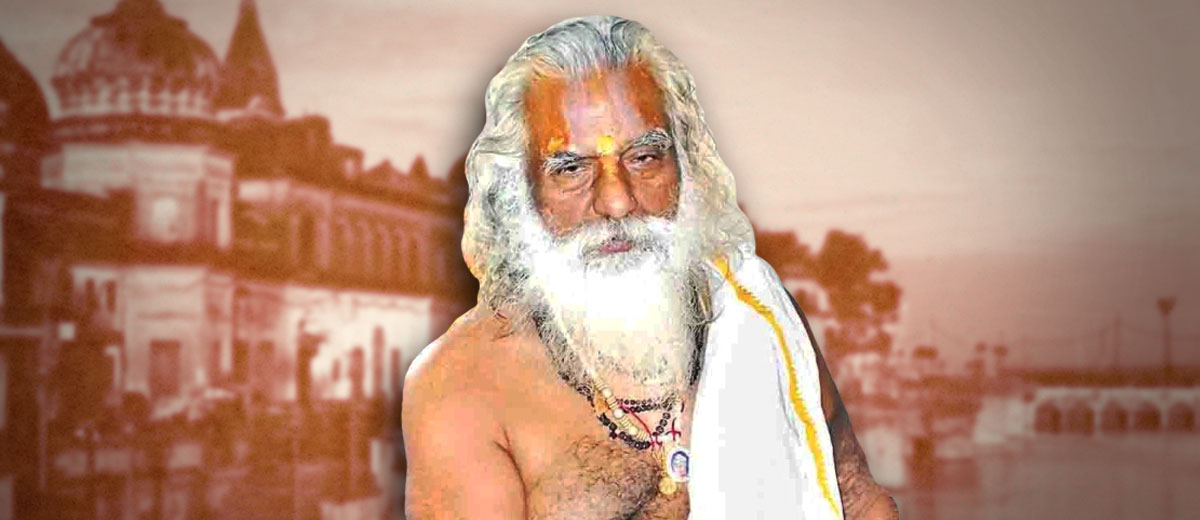 President of Ram Janmabhoomi Trust, vanguard of the Ram Mandir movement Mahant Shri Nritya Gopal Das ji
In addition to sants, the aforementioned Trust should include Hindu heroes who made invaluable contributions to the Shri Ram Janmabhoomi movement and who will not let politics overpower them, such as Shri Lal Krishna Advani ji, Uma Bharti ji, and Subramanian Swamy ji.
Recently, there was talk of including a Muslim in this Trust; the straightforward answer to this is that it is utterly impossible. The Shri Ram Mandir movement is not a construction company erecting a mall-like building where anyone and everyone can be included; it is the altar of Hindu self-respect, whose yajamanas (patrons of sacrifice) can only be Sanatanis who revere Shri Ram as the Supreme Divinity, and none other.
A "Hindu Pride Museum" in Memory of the Devotee Martyrs
A Hindu Pride Museum displaying the undistorted history of the Shri Ram Mandir movement should be built in the Shri Ram Janmabhoomi area. Here, there should be records of all the Ram-bhaktas who sacrificed their lives across 76 battles since Babur's era, as well as the karsevaks of the Janmabhoomi movement. There should be statues of martyrs since Babur's time, such as Bhiti Maharaj Mehtab Singh, Rajpurohit Devidin Pandey, Hanswar Maharaj Ranvijay Singh, Rani Jairaj Kumari, Swami Maheshwaranand, Swami Balaramachari, Baba Vaishnav Das, Guru Gobind Singh, Raja Devibakhsh Singh, Veer Baba Shri Vaishnavdas, Mahant Uddhavdas ji, Sawai Maharaja Jai Singh ji, and others. All of them are departed souls resting in Saketa (the divine abode).
Statues of the vanguards of the Janmabhoomi movement should also be installed in this museum: the late Hindu Hriday Samrat Shri Ashok Singhal ji, late Paramhansa Mahant Shri Ramchandra Das ji, late Gorakshapeethadhisvara Mahant Shri Digvijaynath ji and Mahant Shri Avaidyanath ji, late Shri Devaraha Baba, Shri Atal Bihari Vajpayee ji, Shri Bal Thackeray ji, Shri Sita Ram Goel ji, Shri Gopal Singh Visharad ji, Shri Hanuman Prasad Poddar ji, Shri Jaydayal Goyandka ji, Shri Ramanand Sagar ji, Shri K. K. Nayar ji, Shri Deoki Nandan Agarwal ji, Shri Ram Kothari–Sharad Kothari (Kolkata), Mahendranath Bahori (Kanpur), Ramesh Pandey (Ayodhya), Ramachal Gupta (Barabanki), Setharam Mali (Jodhpur), Vinod Kumar Gupta (Ayodhya), Vasudev Gupta (Ayodhya), Balraj Yadav, and others. Every jati (community) of Hindus sacrificed in the movement; the names of all those martyr Ram-bhaktas should be inscribed on stone plaques to serve as an inspiration that we are Hindus before any caste. Furthermore, the needy family members of the martyrs should be provided employment and other facilities under the Janmabhoomi Mandir Trust.
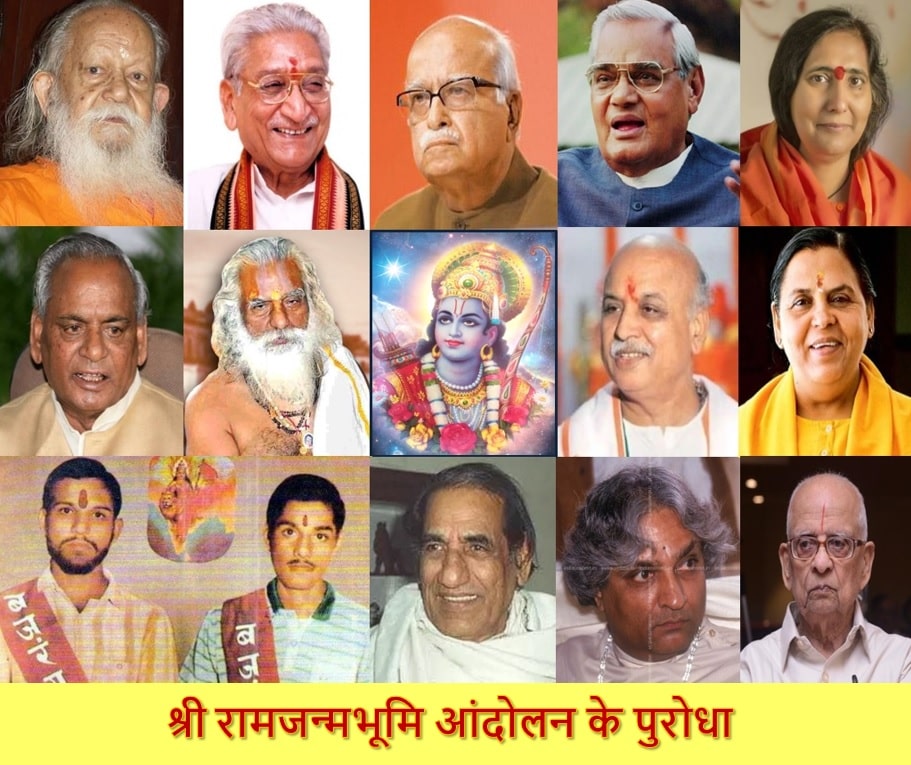
Those who made extraordinary contributions to the movement, such as Shri Lal Krishna Advani ji, Sadhvi Shri Rithambhara ji, Mahant Shri Nritya Gopal Das ji, Shri Ram Vilas Vedanti ji, Shri Kalyan Singh ji, Sadhvi Uma Bharti ji, Acharya Shri Dharmendra ji, Shri Murli Manohar Joshi ji, Shri Vinay Katiyar ji, Shri Pravin Togadia ji, Shri Kameshwar Chaupal ji, Shri Narendra Modi ji, Shri Rajnath Singh ji, Shri Amit Shah ji, Shri K. Parasaran ji, and others, should have their names and contributions inscribed on stone plaques.
Just as the names of soldiers who sacrificed their lives in war are inscribed on war memorials like India Gate, all karsevaks, freed from the fear of any legal entanglements, should have their names compiled and inscribed in bold letters on a Karsevak Memorial.
A Gathering of Shri Ram's Lineage Across the Globe
For two consecutive years, Yogi Adityanath ji has been inviting representatives to Deepotsav and the Kumbh Mela from Northeast India (Manipur, Mizoram, etc.) as well as Korea, Thailand, Cambodia, Laos, Vietnam, Myanmar, Malaysia, Sri Lanka, Singapore, Sumatra, Bali, Java, Borneo, Trinidad, Tobago, and other lands that share an unbreakable, ancient bond with Shri Ram and Ayodhya.
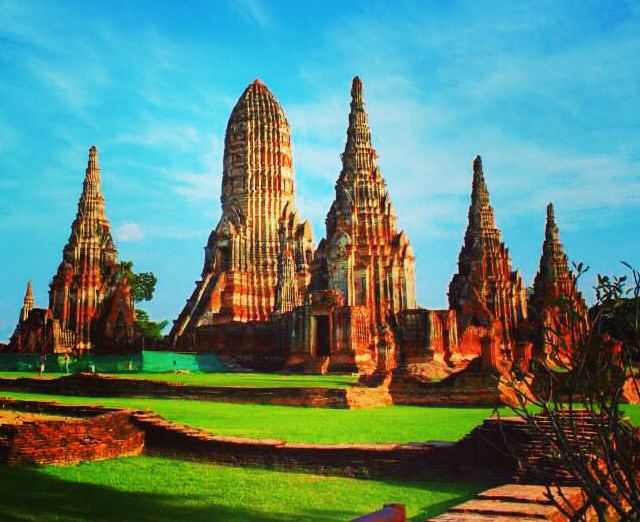 Temples of Ayodhya, the ancient capital of Thailand
In Korea, King Kim Suro, founder of the Karak dynasty, married Princess Suriratna Heo of Ayodhya, whose 6 million descendants exist to this day. They consider themselves descendants of Ayodhya. And in Thailand, the Ayutthaya Empire itself was ruled by emperors bearing the title of Shri Ram. Even today, the original Sanskrit name of the central Thai district near Bangkok, "Phra Nakhon Si Ayutthaya", is "Brahma Nagara Shri Ayodhya". Furthermore, across all these Southeast Asian countries that once formed part of the great Khmer, Champa, Funan, Gupta, Pallava, and Chola Hindu empires, footprints of Shri Ram can be seen scattered everywhere. In the reconstruction of Ayodhya, Hindu representatives of all these descendants of Shri Ram from Greater India must also be included.
Worship of Shri Ram Lalla According to Ramanandi Sri Vaishnava Tradition
The worship and rituals at the Shri Ram Mandir must be conducted according to the scriptural Agama and Nigama methods by learned Brahmins and acharyas, as it will impact the entire nation. I believe the worship of Shri Ram Lalla Virajman should naturally and properly be performed by Ramanandi Sri Vaishnava sadhus, who represent the largest Vaishnava sampradaya in North India revering Shri Ram as their Ishta (chosen deity). Worship should follow the classical vidhi (injunctions) with the sankalpa (solemn resolve) for the resurgence of Sanatana Dharma, following the Vedic procedures of the Purusha Sukta and complete upacharas (modes of service) for Sarveshvara Ramachandra along with His family, all His limbs, weapons, and missiles as described in the "Śrī-Rāmārcana-Paddhatiḥ" authored by Jagadguru Shrimad Ramanandacharya. This should be made comprehensive by incorporating elements of worship from all shastras and sampradayas.
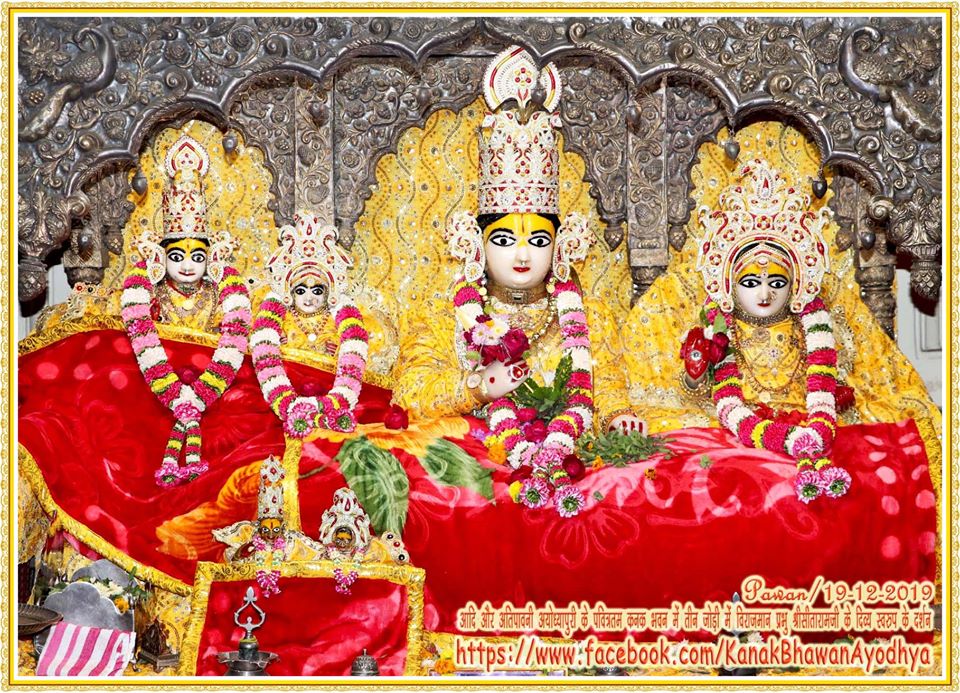 Shri Kanak Bhawan Sarkar, Shridham Ayodhya
Grand and Divine Construction of Shri Ram Mandir in Ancient Vastu Style
The construction of the Shri Ram Mandir should be executed through the exquisite architecture of the Nagara style under the guidance of learned acharyas. Deep deliberation must go into the jyotisha (astrology) and vastu of the Shri Ram Mandir so that the path is cleared for the construction of a temple that is magnificent and profoundly divine. The vigrahas (sacred murtis) of Shri Ram Lalla Virajman's court must not be of marble; they should be crafted with utmost beauty from sacred stones like Shaligram by highly skilled sculptors in accordance with shastric traditions. In the temple complex, not only Shri Ram Lalla Virajman, but also Sita-Ramachandra ji, Hanuman ji, Dasharatha ji along with all three wives, Bharata, Lakshmana, and Shatrughna with their consorts, as well as Vashistha ji, Vishwamitra ji, Sumantra, Vibhishana, and other family members and attendants should have their vigrahas established—it should be something truly extraordinary.
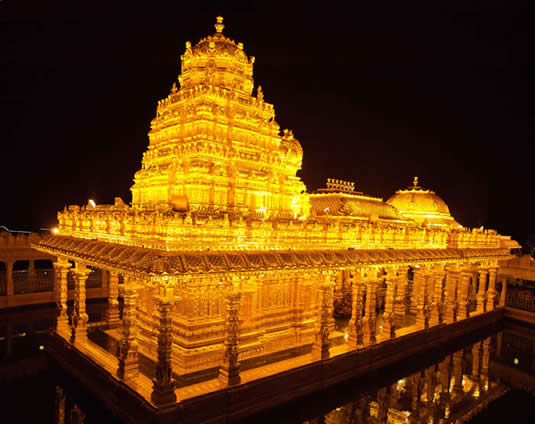 A view of the Shri Lakshmi Narayani Golden Temple, Vellore
Hindus Across the Country Must Get the Opportunity for Karseva in Ram Mandir Construction
The entire city of Ayodhya must be revitalized. During the construction of the Ram Mandir, arrangements should be made for Hindus across the nation to offer karseva (voluntary sacred labor) according to their capacity in every construction-related task—carrying bricks and stones, digging, hammering, pounding, mixing mortar, painting, tree plantation, cleaning, and more. A prior registration facility should be instituted for this to prevent disorganization. Under the guidance of skilled managers and engineers, Hindus from all over the country should participate enthusiastically in karseva for the reconstruction of the entire city of Ayodhya.
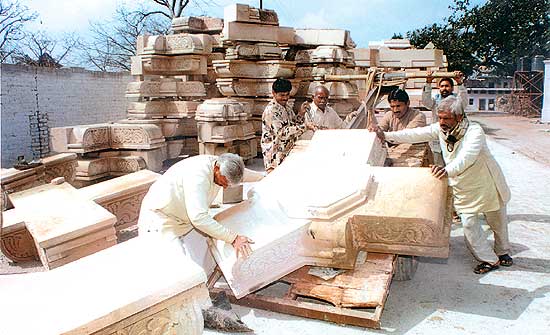 Ram-bhaktas performing karseva at the Shri Ram Mandir workshop, Ayodhya
Development of Ayodhya as the World's Hindu Capital by an Autonomous Temple Trust
The Shri Ram Janmabhoomi Mandir Trust must be an entirely autonomous body, and all funds associated with the temple must remain under this Trust, to be utilized solely for Hindu interests. These funds should be used for the development of Ayodhya as the Hindu capital of the world, for yajnas (sacrificial rituals) and anushthanas (sacred observances), goshala (cow shelters), gurukulas, training of Hindu youth in arms (shastra) and scriptures (shastra), service to sants, and economic, social, religious, and spiritual welfare projects for Hindus.
A magnificent yajnashala (hall of sacrifice) and yajnakunda (sacrificial pit) should be constructed within the Janmabhoomi complex according to the shastras. There should be accommodations here for learned Shrotriya Brahmins belonging to various branches of the Vedas from across the country. Daily yajna rituals should be conducted with sacred offerings following classical methods. All Vedic sampradayas should receive full respect at the Ram Mandir, and mutual feelings of superiority or inferiority must end.
A vast satsang bhavan (assembly hall) should be built here, where thousands of Hindus can sit together, and where discourses on the Puranas, Ramayana, Gita, and Mahabharata can take place. It goes without saying, of course, that an unbroken recital of the Ramayana (Akhand Ramayana Path) will continuously proceed at the Janmabhoomi temple.
Right here, a beautiful and expansive goshala of indigenous cattle breeds should be built, from whose pure dairy offerings the seva of Ram Lalla Virajman should be performed. Furthermore, the Shri Ram Mandir should operate a continuous annakshetra bhandara (free food kitchen) where all devotees can receive food as Ram Lalla's prasada free of cost.
Commercial activities related to the temple should be systematically regulated. Only Hindus should be allotted commercial stalls and trade here. In this trade, special efforts should be made to accommodate needy karsevaks and their family members who contributed and sacrificed in the Janmabhoomi movement. Every section of Hindu society should receive appropriate representation according to their vocation.
The government should establish a large hospital equipped with all modern amenities in Ayodhya, and a major university on the model of BHU comprising departments for both ancient disciplines (Sanskrit, jyotisha, shastric research, Vedas, etc.) and modern subjects. The entire city should be developed in such a way that its ancient culture and aesthetic charm are not destroyed.
A Hindu Dharma Library Should Be Established
A "Hindu Dharma Library" should be established here, housing all sacred texts including the Vedas, Puranas, and the entirety of Dharmashastras, jyotisha, vastu, spiritual sciences, all treatises related to Hindu dharma, and all works of Vedic sampradayas, sants, acharyas, and great luminaries. For comparative religious studies, texts of Islam, Christianity, Jainism, Buddhism, and Sikhism should also be made available, and the institution should be developed as a center for Hindu studies.
Every Indian Must Donate Generously
People across the nation must donate wholeheartedly for the Shri Ram Janmabhoomi and the rejuvenation of Ayodhya, undertaking various projects in accordance with established norms to make the city of Ayodhya radiate like Indraloka (the heavenly realm). Through this, the sun of Hindu fortune shall also rise. In addition to this, there are numerous other suggestions and points that can be incorporated. Along with the construction of the Shri Ram Mandir, a new sacrificial altar must now be raised to reclaim Shri Krishna Janmabhoomi at Mathura and Shri Kashi Vishwanath, into which Hindus will have to offer oblations through their purushartha (righteous endeavor).