YugSamvad · Politics & History
Politics & HistorySeven Great Female Rulers of India
प्रवक्ता · English edition 23 October 2026 · Hindi original 8 December 2018 · 3 min read
Rudrama Devi
She was a 13th-century woman ruler of the Kakatiya dynasty. During her reign, she enlisted people from the lower strata of society into the army and granted them jagirs (feudal land grants). Primarily, she first had to fight wars against the Eastern Ganga and Yadava kings, but the queen herself took to the battlefield and secured victory.
Razia Sultan
She was the first female ruler in Turkic history. She entered the court attired like a man, a conduct that sat ill with religious orthodox elements. Razia was the daughter of Sultan Iltutmish (Al-Tamash), ruler of the Mamluk dynasty of Delhi. Following Sultan Iltutmish's death, because his sons proved incompetent, his daughter Razia Sultan was enthroned upon the Mamluk royal seat of Delhi in 1236. Razia ruled until 1240.
Rani Durgavati
She was the daughter of the Chandel kings of Kalinjar and the queen of the tribal kingdom of Gondwana. A few years into her marriage, following her husband’s death, the queen herself assumed the reins of power. Yet just a few years later, the Muslim ruler of Malwa, Baz Bahadur, launched multiple attacks, only to be routed each time. It was then that Akbar cast his covetous eye upon the queen; he dispatched a vast army to force her into his harem. But when the battle commenced, the tribal community, in defence of their queen’s honour, cut through the Mughal forces like chaff. The queen herself put Akbar’s commander to death on the battlefield. Yet holding out against Akbar’s enormous army was not possible for long. In the end, the queen plunged a dagger into her chest and made the supreme sacrifice. Remembering her sacrifice, the Gond tribals of Jabalpur still offer their floral tributes at her samadhi (memorial shrine) to this day.
Ahilyabai Holkar
If you ever hear this name spoken in Indore, people do not utter it in full; they simply say "Maa Ahilya." Held in almost goddess-like reverence, she was a great Shiva-bhaktin (devotee of Shiva). She was the daughter-in-law of the Maratha Subedar Malhar Rao Holkar. Yet she was widowed at the age of 19. Ahilyabai rebuilt Kashi Vishwanath, Somnath, Mahakal, and other Shiva temples. During the British era, the Holkars were the only rulers who refused to accept subjugation, and the entire credit for this belongs to Ahilyabai Holkar.
Rani Lakshmibai
The entire nation knows everything of her valour, so what remains to be written? About the queen, this alone suffices: “खूब लड़ी मर्दानी वो तो झाँसी वाली रानी थी” (“Fiercely fought the warrior queen, she was the Queen of Jhansi”).
Rani Chennamma
She was the ruler of the Kittur kingdom of Mysore. She mounted a fierce rebellion against the British policy of annexation. The queen had barely overcome the grief of first her husband's and then her son's death when she had to take up arms against the British over the issue of succession. The queen dealt a crushing blow to the British, but was later captured and died in prison.
Begum Hazrat Mahal
She was the second wife of the debauched Nawab of Lucknow, Wajid Ali Shah. Born in Faizabad, she was sold by her parents and worked as a tawaif (courtesan). However, when the Nawab elevated her to the status of a royal concubine, she was granted the title of Begum. When the British sought to annex Awadh on the pretext of misgovernance, the worthless Nawab did nothing, but Begum Hazrat Mahal rallied her people and waged war. Be they Hindu or Muslim, everyone rallied behind her. Even today, the people of Lucknow hold her in deep reverence.
Courtesy—Shri Sharad Singh, Varanasi
Read Also,
Hemchandra Vikramaditya – The Last Hindu Emperor
Peshwa Bajirao: The Greatest Hindu General of the Past Millennium
Cite this article
प्रवक्ता. “Seven Great Female Rulers of India”. YugSamvad, 23 October 2026. https://yugsamvad.com/en/articles/bhaarata-kee-saata-mahaana-mahilaa-shaasikaaen
https://yugsamvad.com/en/articles/bhaarata-kee-saata-mahaana-mahilaa-shaasikaaen · accessed
Related reading
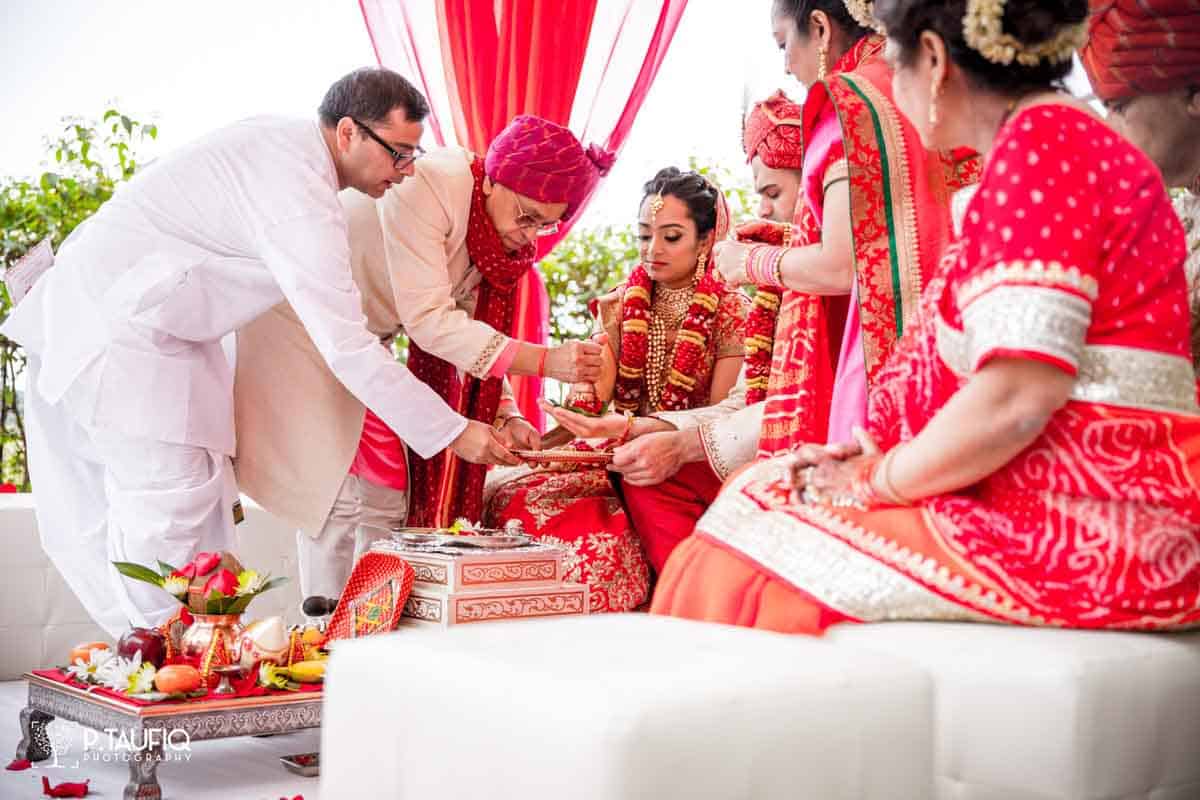
Be It Kanyadaan or Vardaan: What Is Wrong with It?
Is *kanyadan* (the ritual offering of the bride) merely charity? Why is *kanyadan* performed, and is it an insult to women? Understand the true meaning of *kanyadan* in the Hindu *vivaha sanskara* (marriage sacrament), along with its cultural and Vedic significance. Read the authentic exposition of *vardan* (boon) versus *kanyadan*, the mystery of *Brahma vivaha* (the Brahma form of marriage), and a definitive response to the fallacies that seek to misrepresent Hindu traditions.
18 October 2026 · 5 min read
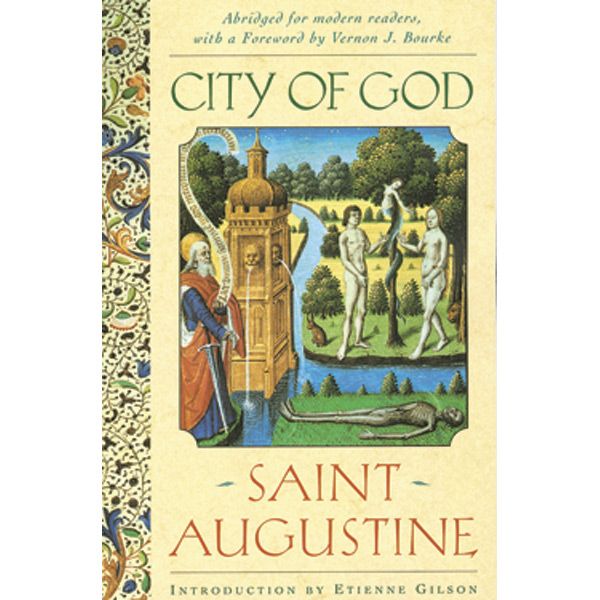
"The City of God" - Augustine's Attack on the Pagans
"The City of God" in A.D. 410 was a significant moment in Western history, when the Vandals, under the leadership of their king, Alaric, captured the city of Rome. Rome was known as the Eternal City because the Romans thought that it would truly never fall, and the year 410 shook this belief to its foundation
10 September 2026 · 6 min read