YugSamvad · Dharma & Culture
Dharma & CultureShri Ram's Exile and the Prayers of Veda-Knowing Brahmins
Shri Dwivedi · English edition 23 October 2026 · Hindi original 8 August 2020 · 3 min read
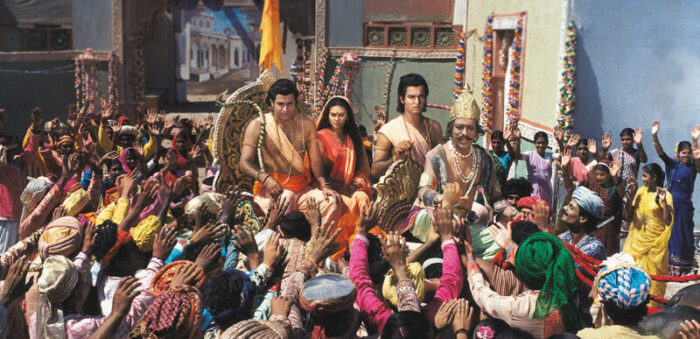
When Bhagwan Shri Ram was departing for the forest, all the people of the city followed him. Among those people were three kinds of brahmins: some were venerable by age (vayovriddha), some by knowledge (jnanavriddha), and some by austerity (tapovriddha). Among the elders, some were so old that their heads shook upon their necks. Those brahmins called out from afar—
O swift horses of noble breed! Turn back, return, do good to Shri Ramachandra.
All living beings possess the faculty of hearing, but the hearing of horses is extremely sharp; hear this prayer of ours and turn back.
We know that your master’s mind is simple and tender. He is a hero, auspicious and firm in his vows. Therefore (you) ought to carry him to Ayodhya rather than take him away from Ayodhya.
When Maharaja Manu’s descendant, Maryada Purushottam Shri Ramachandra heard the pitiful words of the old brahmins following him on foot, he got down from the chariot along with Janaki and Lakshman and began his journey to the forest on foot. For it was not acceptable to the virtuous, compassionate Shri Ram to keep those approaching brahmins away from the chariot.
When the brahmins saw that despite their entreaties Shri Ram was not turning back and was pressing onward toward the forest, they spoke, utterly distressed and grief-stricken—
O Ram, you are the benefactor of brahmins; hence not only does a group of brahmins follow you, but Agni Deva also comes upon their shoulders.
Behold, the canopies given to us from the Vajapeya sacrifice, white as autumn clouds, follow behind you. We shall shade you with these canopies so that you suffer no distress from the heat.
O vatsa (dear child), our minds were hitherto engaged in the study of the Vedas; now, not engaging in that, they are fixed upon your journey to the forest.
Our supreme wealth, which is the Veda, resides in our hearts, and our wives shall remain at home, protecting themselves through the dharma of fidelity (pativratya). We have no other resolve to make; we have resolved to walk with you. Yet when you violate our command, what shall walking on the path of dharma be called?
O Ram, what more can we say? Though our hair is white as swans (we are extremely old), we prostrate ourselves before you full-length.
Those among them who were knowers of truth (tattvajna) understood Shri Ram to be Sri Maha Vishnu incarnate and offered full prostrations. Others, wishing out of affection not to let him go, fell in dandavat prostration thinking that the prince Shri Ram, ever steadfast in his kshatriya dharma, seeing old brahmins prostrated before him, would turn back.
The brahmins said: Many of us have left sacrifices midway after having commenced them; O son, the completion of those sacrifices depends upon your return.
This is not said by us alone; beasts, birds, trees, and others likewise pray thus. Bring fulfillment to this affection of your devotees.
Behold, these tall trees too desire to go with you, but their roots being deeply embedded in the earth, unable to walk, swaying with the force of the wind and with their branches they forbid your forest journey and cry out. Behold, the birds too have ceased to fly and to forage. Seated within their tree-abodes, knowing you to be compassionate to all living creatures, they urge you not to go to the forest.
As they walked along, crying out thus to make Shri Ram turn back, the Tamasa river appeared, as though blocking the path and forbidding the Lord's departure.
(Shrimad Valmikiya Ramayana Ayodhya Kanda)
The truth of Shri Ram's universally beloved dharma form..
Did Ravan not touch Mata Sita? A major question!
The birth of Bhagwan Shri Ram took place this many years ago
The love of Janaknandini and Raghunandan is an exemplar of true love
Cite this article
Shri Dwivedi. “Shri Ram's Exile and the Prayers of Veda-Knowing Brahmins”. YugSamvad, 23 October 2026. https://yugsamvad.com/en/articles/shreeraama-kaa-vanagamana-aura-vedajna-braahmanon-kee-praarthanaa
https://yugsamvad.com/en/articles/shreeraama-kaa-vanagamana-aura-vedajna-braahmanon-kee-praarthanaa · accessed
Related reading
Yudhishthira's Dyuta: The Esoteric Vedic Akshavidya
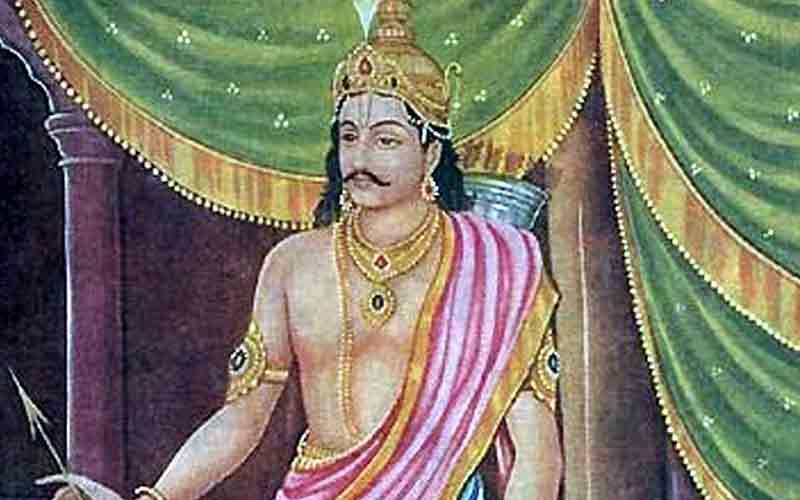
It is wrong to call Dharmaraja Yudhishthira a gambler. How many times in his life did Dharmaraja Yudhishthira play dyuta (the traditional game of dice)? How many times must one play to be called a vyasani (addict)? It is also wrong to call dyutavidya (the science of dice) gambling. Why did Dharmaraja Yudhishthira have to learn dyutavidya from a rishi (seer)? Why was no teacher to be found other than a rishi? Shaku...
18 October 2026 · 1 min read
Be It Kanyadaan or Vardaan: What Is Wrong with It?
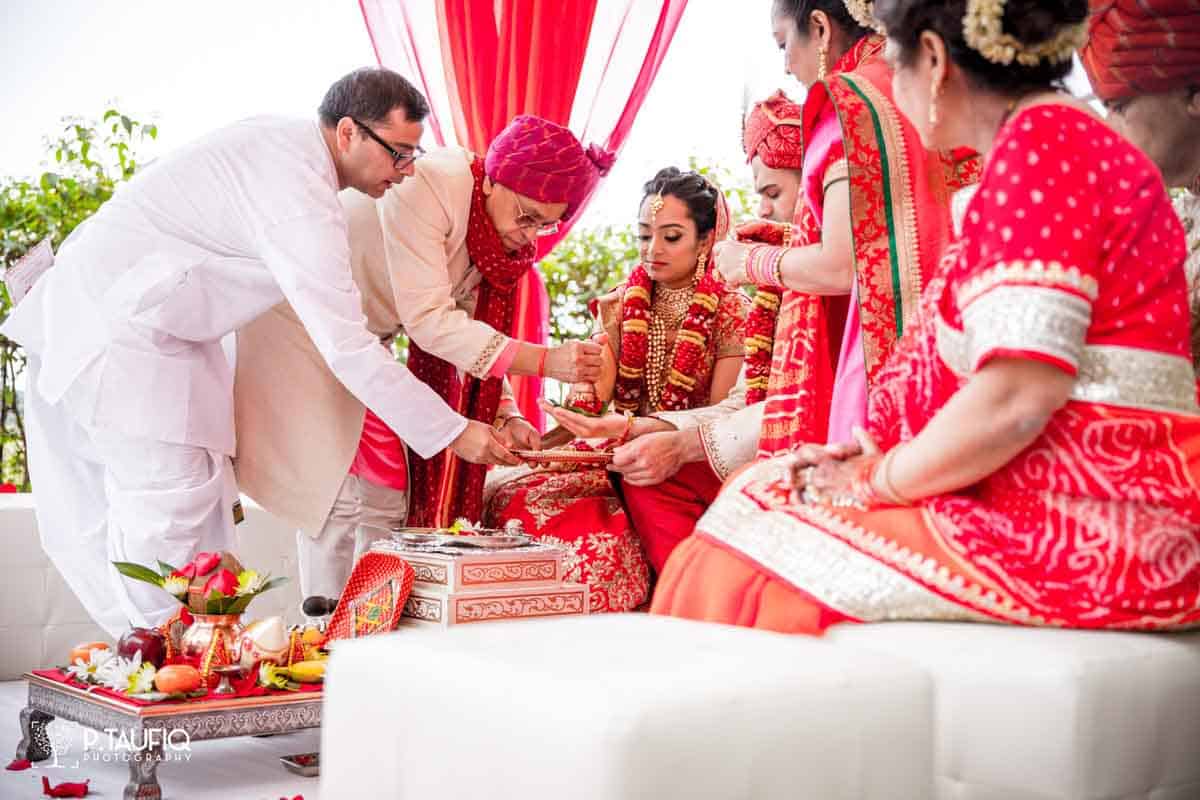
Is *kanyadan* (the ritual offering of the bride) merely charity? Why is *kanyadan* performed, and is it an insult to women? Understand the true meaning of *kanyadan* in the Hindu *vivaha sanskara* (marriage sacrament), along with its cultural and Vedic significance. Read the authentic exposition of *vardan* (boon) versus *kanyadan*, the mystery of *Brahma vivaha* (the Brahma form of marriage), and a definitive response to the fallacies that seek to misrepresent Hindu traditions.
18 October 2026 · 5 min read