YugSamvad · Politics & History
Politics & HistorySubramania Bharati - The Revolutionary Poet of the South
विशाल अग्रवाल · English edition 23 October 2026 · Hindi original 6 May 2019 · 2 min read
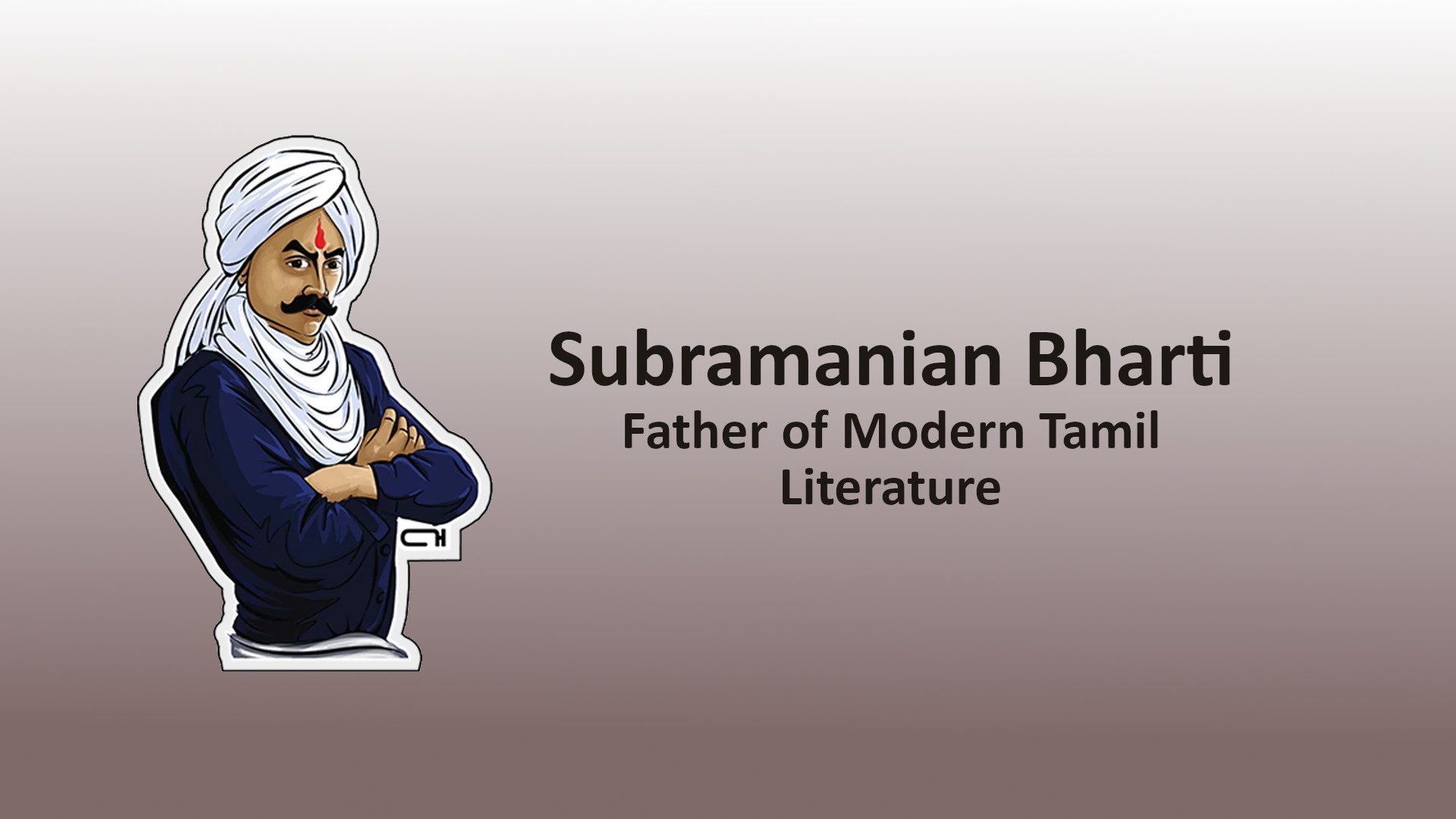
December 11 is the birth anniversary of the great Tamil poet Subramania Bharati, a litterateur who was not only actively involved in the freedom movement himself, but whose writings inspired a large number of common people in South India to plunge into the struggle for independence. Born on December 11, 1882, in a village named Ettayapuram in the then Madras Presidency, Bharati was one of the country's greatest poets, possessing equal mastery over both prose and poetry. Bharati lost his parents when he was very young and moved to Varanasi at an early age, where he was introduced to adhyatma (spirituality) and nationalism. This had a profound impact on his life.
Subramania Bharati understood the importance of knowledge and took a keen interest in the field of journalism. During this period, he remained associated with the publication and editing of several newspapers. While Subramania Bharati's works contained profound dharmic (righteous/religious) discourses on one hand, they also carried information about the Russian and French Revolutions on the other. He constantly strived for the betterment of the deprived sections of society and the poor.
Bharati attended the historic 1907 Surat Congress, which clearly demarcated the line between the Naram Dal (moderates) and the Garam Dal (extremists). Subramania Bharati supported the Garam Dal of Tilak, Aurobindo, and other leaders. After this, he immersed himself completely in writing and political activities. In the year 1908, the British government ordered his arrest, to evade which he fled to Pondicherry, which was under French rule in those days.
Even in Pondicherry, Subramania Bharati remained associated with the publication and editing of several newspapers, keeping the flame of patriotism alive among the people against the British. During his exile in Pondicherry, he remained in contact with several prominent leaders of the Garam Dal. There, he also assisted Aurobindo in editing *Karmayogi* and *Arya*. Bharati returned to British India in 1918 and was immediately arrested.
He was kept in prison for a few days. In his later days, his health began to decline, and he passed away on September 11, 1921. Subramania Bharati lived for less than 40 years, and even in this short span, he accomplished immense work in various fields, and the popularity of his writings made him immortal. Millions of salutations to this rebel mahakavi (great poet)!
– Vishal Agarwal (The author is a deep connoisseur of Indian history and culture, an educationist, and a voice for national interests. The author's Rashtra Aradhak series on great Indian personalities is a must-read.)
Bharatendu Harishchandra: The Patriarch of Modern Hindi Whose Life Was Not Long, But Great
Cite this article
विशाल अग्रवाल. “Subramania Bharati - The Revolutionary Poet of the South”. YugSamvad, 23 October 2026. https://yugsamvad.com/en/articles/subramanyama-bhaaratee-dakshina-ke-kraantikaaree-kavi
https://yugsamvad.com/en/articles/subramanyama-bhaaratee-dakshina-ke-kraantikaaree-kavi · accessed
Related reading
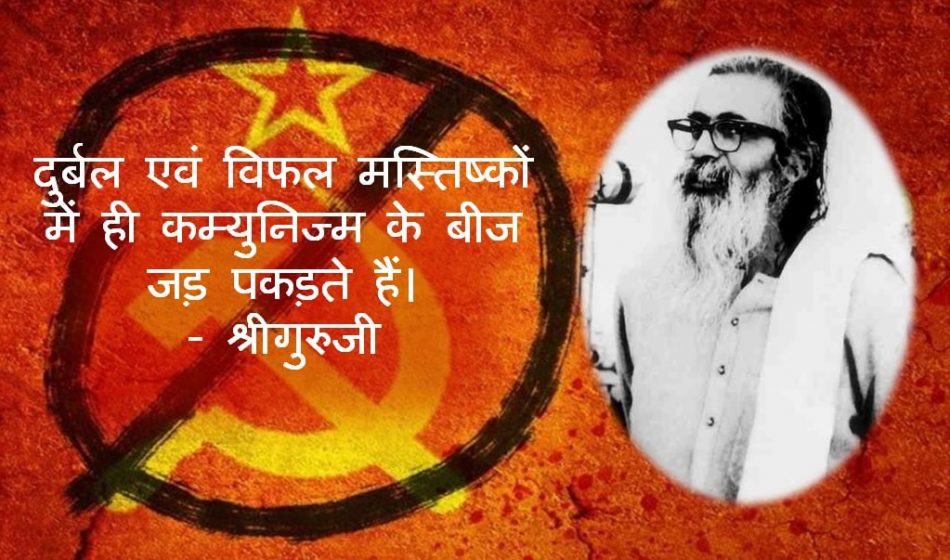
Shri Guruji Golwalkar's Views on the Hollowness of Communism
Among the grave failures of democracy in our country is the rising menace of communism, which is an avowed enemy of the democratic constitution. Lest they lag behind the communists in their economic appeal to the public, in this endeavor our leaders themselves also...
23 October 2026 · 5 min read
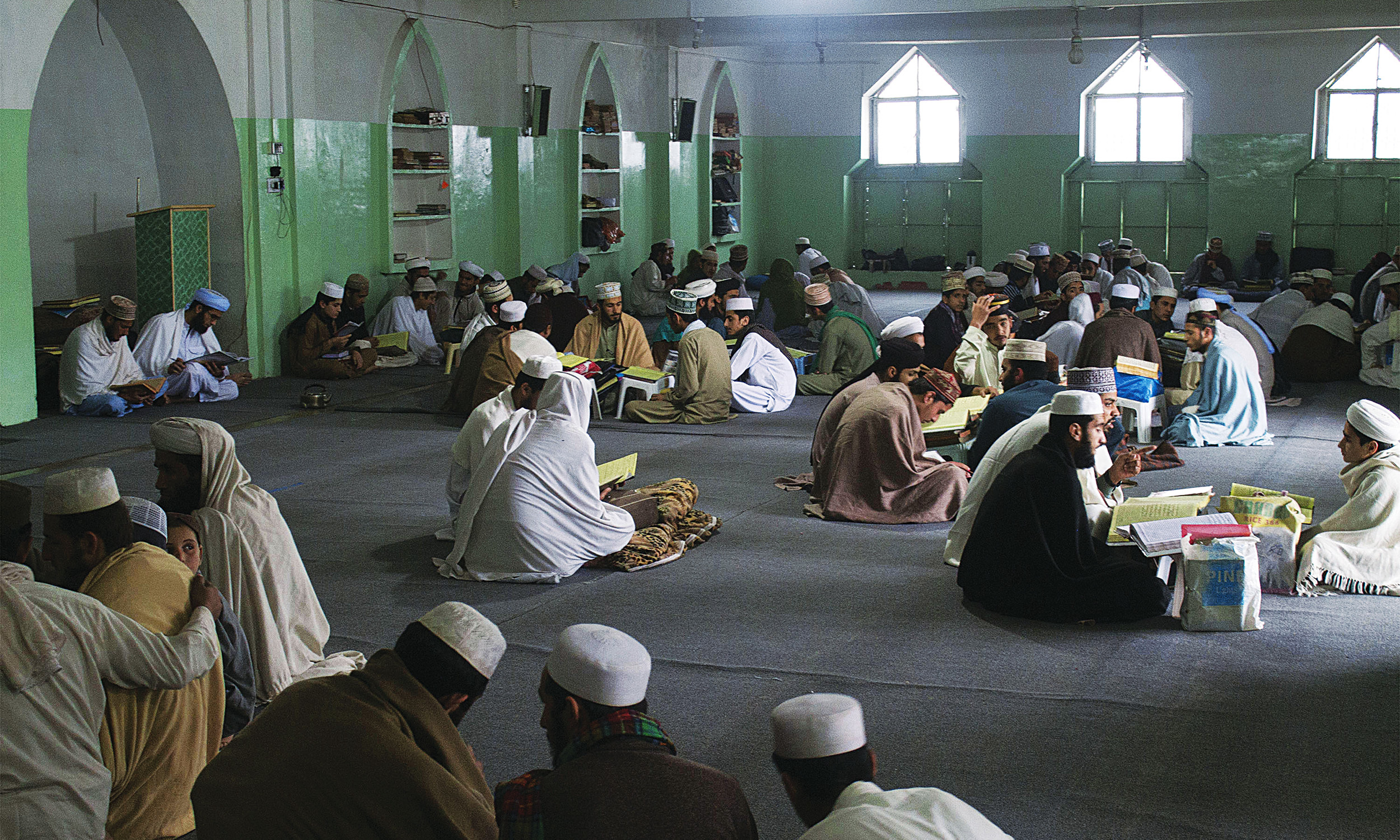
Madrasa: The Historical Industry of Jihad
As long as madrasas remain in India or any other country, the jihadi mindset and terrorism will remain. The etymology of the word madrasa goes back to the Semitic root "d r s", from which the word *madrasah* was derived in Arabic and is called madrasa in Urdu. Without vowels, no word or root can even be formed; the Semitic root—
23 October 2026 · 4 min read
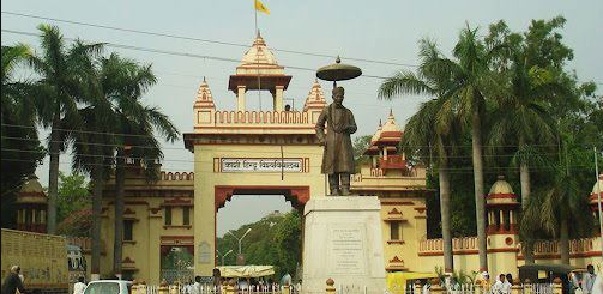
Dear 'Swarajya', There's a Difference Between Teaching Language and Teaching Dharmshastra
Swarajya recently published an article written by its senior editor on the issue of students of BHU protesting against the appointment of a Muslim faculty Firoz Khan. The protesting students were calling bigots who are threat to Dharma which rests on pluralism and assimilation. I
24 November 2019 · 3 min read