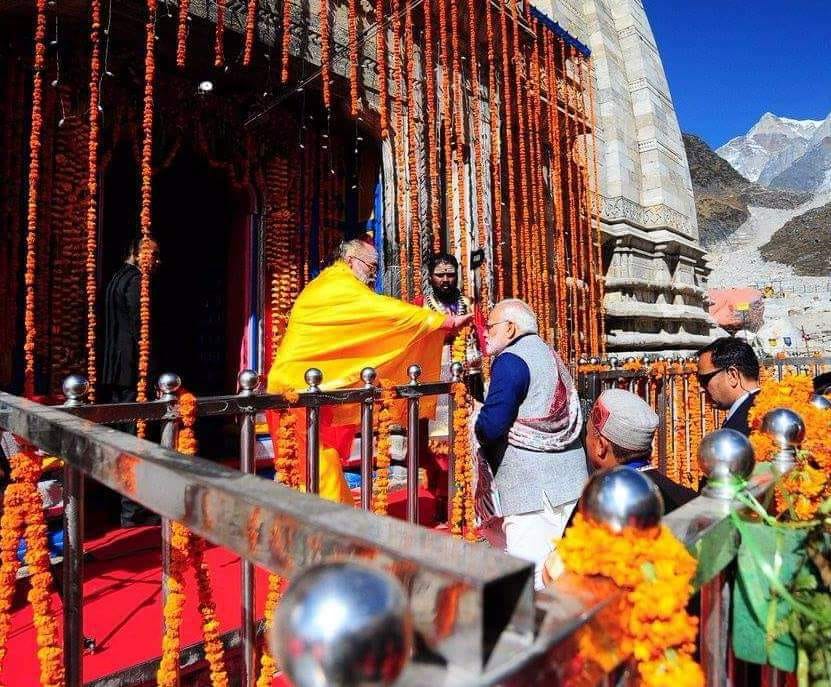
Dharma & CultureFor the common people and sadhakas (spiritual practitioners), the injunction of the shastra (scripture) is to keep their sadhana (spiritual practice), bhajan (devotional worship), and archana (ritual worship) confidential. However, when the wealthy, the affluent, and the rajanyavarga (royalty) discharge their dharmic (righteous) duties, this extremely strict rule of "secrecy" has been dispensed with by the shastrakaras (scriptural authorities) and the leaders of society. And to p
23 October 2026 · 3 min read
Sanskrit & ShastraIn India, since ancient times, there has been a tradition of selecting specific stone for the vigrahas (consecrated deity forms) of temples. From antiquity until perhaps around 150 years ago—ever since the market of sculptors developed in Jaipur—white marble murtis (consecrated images) began to be installed in temples across nearly the whole of North India. Earlier
23 October 2026 · 4 min read
Sanskrit & Shastra"लयनात इति लिंगमुच्यते" (That into which all dissolves is called the *linga*)—that in which the entire creation dissolves is the *linga* (aniconic emblem of Shiva); that is, that which remains after the entire universe dissolves, namely the *brahmapadartha* (ultimate substance of Brahman). In the entire Shaiva (pertaining to Shiva) world, Paramatman (Supreme Soul) Shankara is worshipped in the form of the *linga*. First, let us understand in broad terms what Shaivas are—roughly speaking, Shaiva means regarding Shiva alone as the complete Paramatman...
18 October 2026 · 5 min read