YugSamvad · Sanskrit & Shastra
Sanskrit & ShastraBasis of Hindu Muslim Unity According to Veer Savarkar
Shri Dwivedi · 22 October 2017 · 2 min read
During Deepawali festivals, October 2017, Smt Nirmala Sitharaman the Defense Minister of India visited the Cellular Jail in Andaman. She especially visited the cell Veer Savarkar was kept in and paid her respect to the great philosopher revolutionary. It brought about a storm in the secular-liberal world of social media. Be it politicians of the Congress party, AAP or the journalists with left inclination, everyone used the choicest language against Veer Savarkar and Smt Sitharaman as well.
 Nirmala Sitharaman on her visit to cellular jail, paying respect to Veer Savarkar
This is just one incident, the blind protest against Veer Savarkar has a long history ever since the time of Nehru and Gandhi. A recent article in The Wire portraying Savarkar as a supporter of the British colonialism is also an example. There are three major allegations that anti-Hindu forces make a great fuss about. First, is Veer Savarkar asked for amnesty, the second one is supported two- nations theory and the third one is, he was communalist and wanted Muslims to be second category citizens in his model Hindu Rashtra. Here, we discuss this third one.
Though the constitution proposed by the Hindu Mahasabha also hailed the equal rights of Muslims as Hindu. Here we present a more simple example of what Savarkar's view was about Hindu Muslim Unity.
''Convey our message to the Emperor not to indulge in hate of the Marathas in future. Maybe through such relations, a common Indian Empire could evolve where Hindus and Muslims would be able to function as brothers on the basis of equality! One who becomes an emperor with the consent and prowess of the Hindus, it does not matter if he is Muslim or not by religion! Henceforward if the Muslims treat Bharat Mata as mother and Hindus as brothers then we Hindus will treat them as brothers. If they want unity, it will occur on this basis. If not, then we are not afraid of disunity!''
(A piece from Veer Savarkar’s Play Uttarkriya on Hindu Muslim Unity)
Read also,
Savarkar On The Rohingya Crisis
Is It True That Savarkar’s Life Influenced The Vietnamese Leader Ho Chi Minh?
Savarkar, Pakistan, And Equality Of Citizens
7 Prophecies Which Make Veer Savarkar Most Visionary Statesman Of India
Cite this article
Shri Dwivedi. “Basis of Hindu Muslim Unity According to Veer Savarkar”. YugSamvad, 22 October 2017. https://yugsamvad.com/articles/basis-of-hindu-muslim-unity-according-to-veer-savarkar
https://yugsamvad.com/articles/basis-of-hindu-muslim-unity-according-to-veer-savarkar · accessed
Related reading
The Meaning of Medha, Kautuhala, Jigyasa and Herd Mentality
*Medha* (intellect) and the Herd “He who protects *dharma* (righteousness/cosmic order), *dharma* protects him.” The meaning of *dharma* is Vedic *yajna* (sacrificial ritual), that is, the *karma-kanda* (ritual section) of the Vedas. There are ten characteristics of *dharma* — *dhriti* (fortitude), *kshama* (forgiveness), *dama* (self-control), *asteya* (non-stealing), *shaucha* (purity), *indriya-nigraha* (sensory control), *dhi* (intellect), *vidya* (knowledge), *satya* (truth), and *akrodha* (absence of anger). But these are merely characteristics on the basis of which we can recognize that a particular...
18 October 2026 · 8 min read
Be It Kanyadaan or Vardaan: What Is Wrong with It?
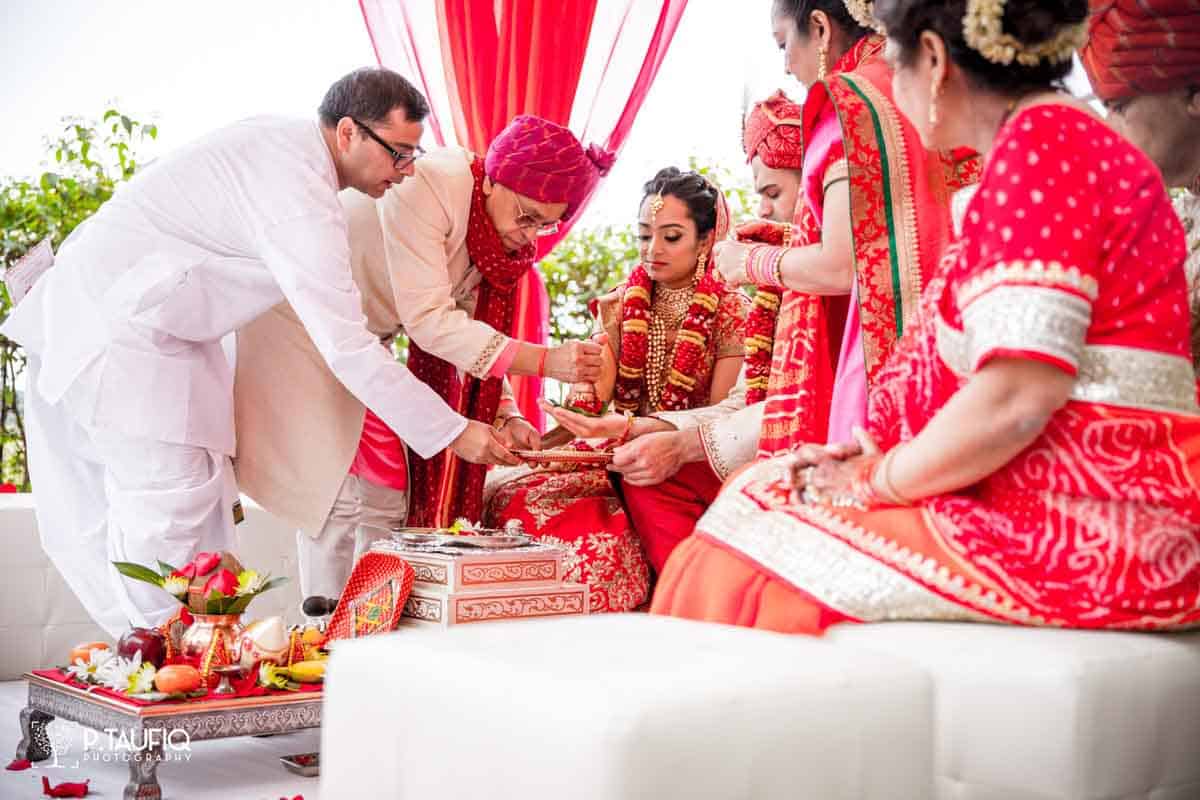
Is *kanyadan* (the ritual offering of the bride) merely charity? Why is *kanyadan* performed, and is it an insult to women? Understand the true meaning of *kanyadan* in the Hindu *vivaha sanskara* (marriage sacrament), along with its cultural and Vedic significance. Read the authentic exposition of *vardan* (boon) versus *kanyadan*, the mystery of *Brahma vivaha* (the Brahma form of marriage), and a definitive response to the fallacies that seek to misrepresent Hindu traditions.
18 October 2026 · 5 min read
Yudhishthira: Sovereign Emperor and Builder of Hindu Rashtra
Given the controversies often seen regarding Yudhishthira and others, we must look to the Mahabharata itself to determine whether Yudhishthira and the other Pandavas were powerful in their own right and embodiments of dharma (righteousness), or if, according to modern propaganda, they were merely dependent on the mercy of Shri Krishna. For the sages repeatedly call him Dharmaraj, and their words cannot be false.
13 September 2026 · 13 min read