YugSamvad · Sanskrit & Shastra
Sanskrit & ShastraHow was Hanuman Ji's conduct toward wicked rakshasis (demonesses)? Hanuman Ji's feminism!!
Mudit Agrawal · English edition 23 October 2026 · Hindi original 25 November 2017 · 6 min read
Some people assert that no matter how wicked a woman may be, she must be respected, even if she is a prostitute. To substantiate this, they also put forward certain arguments from Hindu scriptures. One argument is that Hanuman Ji accorded respect to Surasa and Trijata, who were rakshasis (demonesses), by addressing them as mother; why then insult a Bollywood actress, why threaten to cut off her nose and ears—even granted that she sleeps with dozens of men, why call her a prostitute? To discover the answer to this, we must turn to the Valmiki Ramayana.
In the Valmiki Ramayana, Sundara Kanda, first sarga (canto), there is the account of Hanuman Ji's encounter with Surasa during the crossing of the ocean. According to the Valmiki Ramayana, Surasa was in fact a devi (goddess). After the crossing of Mount Mainaka, the rishis (sages) and devas (gods) wished to test Hanuman Ji's strength once more, and sent Surasa, the mother of the nagas, disguised as a rakshasi to obstruct him. At first, Hanuman Ji reasoned with Surasa respectfully. But when she did not relent, he grew enraged and displayed his might (verse 151..). Then, having subdued Surasa, he offered salutations to her true form. But nowhere in this episode did he address her as mother. Thus, the argument that he called Surasa mother stands refuted, for Surasa was neither a vile, wicked woman, nor did Hanuman Ji propagate feminism by according her gratuitous respect merely because she was a female. Further, in the slaying of Simhika as well, Hanuman Ji paid no heed to whether she was a woman or not; seeing her as wicked, he simply struck her dead.
Further along, when the rakshasi Lankini spoke impertinently to Hanuman Ji, Hanuman Ji answered her in the very same tongue. Following this, Lankini struck Hanuman Ji with a forceful slap, and Hanuman Ji too landed a heavy blow with his fist. At this, Lankini collapsed and conceded defeat. Considering her a woman, Hanuman Ji had not struck her with full force from the outset, and Hanuman Ji took pity on her.(Sundara Kanda, Canto 3). शठे शाठ्यं समाचरेत् (repay wickedness with wickedness) and compassion toward all is the conduct of Sanatanis. Feminism has never been our policy.
Further, in the burning of Lanka, Hanuman Ji set Lanka ablaze making no distinction between man and woman. In Sundara Kanda, Canto 54, verses 25-26, it is stated:
"Lanka began to blaze furiously. So many women, clutching babes to their bosoms, suddenly fell down wailing aloud. All the limbs of the rakshasis were engulfed in flames; with dishevelled hair, they plummeted from multi-storeyed mansions as though flaming lightning bolts were falling from clouds."
Here too, Hanuman Ji did not raise a lament like the feminist devotees of wicked women; he struck down the enemy, whether woman or man.
 The blow to Lankini
Now coming to Trijata, she was the daughter of Vibhishana and a great devotee of Hari. No conversation between Hanuman Ji and her is found in the Ramayana. But Trijata is supremely venerable and, as a devoted bhakta and well-wisher of Mata Sita, is entirely worthy of being addressed as mother. Therefore, we all bow to Mata Trijata. For she was indeed the sole refuge of our Janaki Maiya in that rakshasa's Lanka.
Hanuman Ji's Stern Thoughts Regarding the Rakshasis
But the other rakshasis with her were utterly vile and wicked. In Sundara Kanda, it is described that those rakshasis wished to devour Sita Ji's various limbs raw, and inflicted immense torment upon Sita Maiya. Hanuman Ji's intense wrath toward those wicked females is revealed in Yuddha Kanda. In Yuddha Kanda, Canto 113, Hanuman Ji, having conveyed the news of Shri Ram's victory to Sita Ji, says:
"A pativrata (devoted wife) devi like you sat suffering affliction in the Ashoka Vatika, while these cruel rakshasis of dreadful appearance and conduct, with terrifying visages, repeatedly rebuked and reviled you with harsh words. What they uttered to you at Ravana's command, I have heard it all. Each and every one of them is exceedingly cruel and pitiless. I desire to slay them all with diverse blows. It is my wish to maim them with blows of fists, kicks, slaps, calves, and knees, break their teeth, cut off their noses and ears, and tear the hair from their heads. O Illustrious Lady! Striking them thus with many blows, I wish to dash down and kill these rakshasis who spoke cruel words and caused you distress. Every dreadful rakshasi who reviled you, I shall put to death right now; grant me permission for this."
But the supremely affectionate daughter of Janaka, Sita Ji, reasoned with Hanuman Ji and pacified him, asking him to spare them; only then did Hanuman Ji acquiesce. This very Hanuman Ji, so unsparing of wicked women, was the supreme devotee of Mata Sita, the ideal woman of Hindu dharma (cosmic order and righteous duty).
 Hanuman Ji's meeting with Mata Sita
Now let us examine the order of Shri Ramachandra in the episode of cutting off Surpanakha's nose and ears, based on which Lakshmana Ji disfigured Surpanakha. It is evident that Surpanakha was a prostitute who was casting amorous snares upon Shri Ram and Lakshmana. She was excessively maddened by lust and eager to murder Sita Ji. Toward such a base, wicked prostitute, Shri Ramachandra said—
"Lakshmana! You must disfigure this misshapen, unchaste, exceedingly intoxicated, and pot-bellied rakshasi by mutilating one of her limbs."
Hearing this, Lakshmana Ji immediately cut off Surpanakha's nose and ears.
Let the readers judge for themselves whose side Hanuman Ji is on. When Shri Hanuman Ji Maharaj himself did not respect wicked women, why then this false respect for wicked women? Do feminist Hindutva-vadis possess more intellect than Hanuman Ji? The obscene antics of wicked actresses, their relations with numerous men, etc., are all across the internet. In such a situation, what is wrong with calling them prostitutes? After all, it is for money that they expose their bodies and compromise their modesty. Whereas Hanuman Ji too spoke before Bhagavati Sita of beating wicked women with kicks and fists, cutting off their noses and ears, and even putting them to death. That a woman, no matter how wicked she may be or what evil deeds she may commit, must be respected is not a principle of Sanatana Dharma. Hindu dharma has but one principle: virtuous men and women who perform noble deeds are worthy of worship and respect, and wicked men and women who commit vile deeds are worthy of condemnation, disrespect, and contempt. There is no discount in this. It is established that those who demand respect for wicked women are adversaries of Shri Hanuman Ji.
Read this as well :-
To which animals has Sitaji compared Ravana?
Did Ravana not touch Mata Sita? A major question!
Cite this article
Mudit Agrawal. “How was Hanuman Ji's conduct toward wicked rakshasis (demonesses)? Hanuman Ji's feminism!!”. YugSamvad, 23 October 2026. https://yugsamvad.com/en/articles/dushta-raakshasiyon-ke-prati-kaisaa-thaa-hanumaana-jee-kaa
https://yugsamvad.com/en/articles/dushta-raakshasiyon-ke-prati-kaisaa-thaa-hanumaana-jee-kaa · accessed
Related reading
Be It Kanyadaan or Vardaan: What Is Wrong with It?
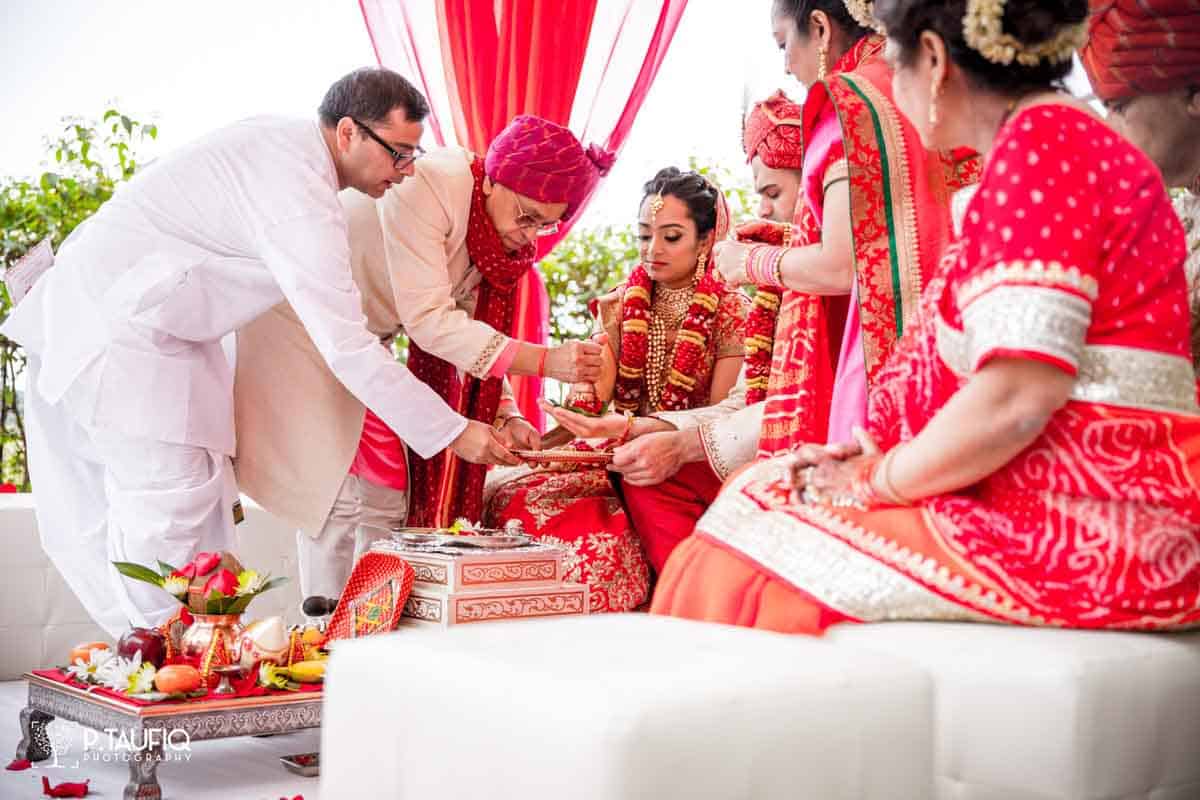
Is *kanyadan* (the ritual offering of the bride) merely charity? Why is *kanyadan* performed, and is it an insult to women? Understand the true meaning of *kanyadan* in the Hindu *vivaha sanskara* (marriage sacrament), along with its cultural and Vedic significance. Read the authentic exposition of *vardan* (boon) versus *kanyadan*, the mystery of *Brahma vivaha* (the Brahma form of marriage), and a definitive response to the fallacies that seek to misrepresent Hindu traditions.
18 October 2026 · 5 min read
Yudhishthira: Sovereign Emperor and Builder of Hindu Rashtra
Given the controversies often seen regarding Yudhishthira and others, we must look to the Mahabharata itself to determine whether Yudhishthira and the other Pandavas were powerful in their own right and embodiments of dharma (righteousness), or if, according to modern propaganda, they were merely dependent on the mercy of Shri Krishna. For the sages repeatedly call him Dharmaraj, and their words cannot be false.
13 September 2026 · 13 min read