YugSamvad · Sanskrit & Shastra
Sanskrit & ShastraSampradayas of Hindu Dharma, Their Major Mathas and Acharyas
Mudit Agrawal · English edition 17 October 2026 · Hindi original 11 July 2018 · 7 min read
In Hindu Dharma, based on Vedanta (the philosophical stream of the Upanishads) thought, there are five major Vaidika sampradayas (traditions or lineages).
1) The "Shankara Sampradaya" based on the "Advaita" (non-dualism) doctrine of Shrimad Adi Shankaracharya.
2) The "Shri Sampradaya" based on the "Vishishtadvaita" (qualified non-dualism) doctrine of Shrimad Ramanujacharya.
Shrimad Ramanandacharya arose within the Shri Sampradaya itself, and a branch of the Shri Sampradaya became the "Ramananda Sampradaya".
3) The "Madhva Sampradaya" based on the ''Dvaita'' (dualism) doctrine of Shriman Madhvacharya.
A branch of this sampradaya emerged as the "Gaudiya Sampradaya".
4) The "Nimbarka Sampradaya" based on the "Dvaitadvaita" (dualistic non-dualism) doctrine of Shrimad Nimbarkacharya.
5) The "Vallabha Sampradaya" based on the "Shuddhadvaita" (pure non-dualism) doctrine of Shri Vallabhacharya.
These are the five major Vaidika sampradayas of Sanatana Dharma (the eternal order). Many branches and sub-branches emerge from them. Among these, the last four are Vaishnava sampradayas, while the first—the Shankara sampradaya—encompasses Vaishnava, Shaiva, Shakta, Ganapatya, and all others.
Sanatana Dharma possesses a diverse tapestry of traditions; among them are Rudra, Brahma, Shankara, Ramanuja Shri Vaishnava, Pushtimarg, Gaudiya-Vaishnava, Nimbarka Vaishnava, Ramanandi-Vaishnava, Smarta, Haridasi, Tantrika, Sahajiya, Siddhanta-Shaiva, Kashmiri-Shaiva, Kapalika, Nathpanth, Lakulisha, Siddha, Aughad, Veershaiva, Jangama, Lingayat, Tantramargi, Shakta, Samayachari, Jaina, Trika, Kaulachara, Vamachara, and numerous other sects and sampradayas prevalent across the land of Bharat. Among them, there are significant differences on philosophical and theoretical levels. Right here exist numerous philosophical traditions such as Dvaita, Advaita, Vishishtadvaita, Shuddhadvaita, Dvaitadvaita, Shivadvaita, Shaktadvaita, Yoga, Samkhya, Syadvada, Traita, and others.
This was merely a very general introduction to the sampradayas. However, the objective of writing this post is to compile a list of the current major peethas (seats of spiritual authority)/mathas (monasteries) of these five major sampradayas and the acharyas (spiritual preceptors) seated upon them, so that everyone may become acquainted with the authentic, foundational, supreme spiritual leaders of Sanatana Dharma. The matha tradition has played a monumental role in protecting Sanatana Dharma; hence, every Hindu should possess knowledge of it. The center of a sampradaya's continuously flowing guru tradition is called a peetha, and the place where brahmacharis (celibate students) and other students initiated into that sampradaya receive instruction is called a matha. Peethas/mathas were established by the original acharyas of the sampradayas to safeguard and ensure the continuity of the sampradaya (that which is properly imparted). So, let us examine their status sampradaya-wise.
Major Peethas of the Shankara Sampradaya and Their Acharyas :-
There are four major peethas of the Shankara sampradaya whose presiding acharyas are adorned with the title 'Shankaracharya'. In addition, the Shri Kanchi Kamakoti Peetha is also widely revered.
1) Purvamnaya Shri Govardhana Peetha, Jagannath Puri
Puri Shankaracharya Swami Shri Nischalananda Saraswati Ji
2) Dakshinamnaya Shri Sringeri Sharada Peetha, Sringeri
Sringeri Shankaracharya Shri Bharati Tirtha Mahaswami Ji and Shri Vidhushekhara Bharati Tirtha Mahaswami Ji
Sringeri Shankaracharya Shri Bharati Tirtha Mahaswami Ji and Shri Vidhushekhara Bharati Tirtha Mahaswami Ji
3) Paschimamnaya Shri Dwarika Peetha, Dwarka
Dwarka Shankaracharya Swami Shri Swaroopananda Saraswati Ji
4) Uttaramnaya Shri Jyotirmath, Joshimath
Jyotishpeeth Shankaracharya Swami Shri Vasudevananda Saraswati Ji
Shankaracharya Swami Shri Vasudevananda Saraswati Ji
5) Moolamnaya Shri Kanchi Kamakoti Peetha, Kanchi
Shri Kanchi Kamakoti Shankaracharya Swami Shri Vijayendra Saraswati Ji
Along with this, in the Shankara sampradaya, there are 13 Akhadas (monastic orders) established by Adi Shankaracharya and their presiding Peethadheeshwaras (heads of spiritual seats). Many other mathas, peethas, etc., function primarily in association with the above-mentioned five peethas and Akhadas. The largest Akhada of the Shankara sampradaya is the Panchadashanam Shri Juna Akhada.
6) Shri Panchadashanam Juna Akhada, Haridwar
Junapeethadheeshwara Mahamandaleshwar Swami Shri Avdheshanand Giri Ji
Junapeethadheeshwara Mahamandaleshwar Swami Shri Avdheshanand Giri Ji
Major Peethas of the Ramanuja Shri Sampradaya and Their Acharyas :-
Vanamamalai Matha, Tirunelveli
Shri Vanamamalai Madhurakavi Shri Ramanuja Jeeyar Swami
Shri Vanamamalai Madhurakavi Shri Ramanuja Jeeyar Swami
Shri Yadugiri Yatiraja Matha, Melukote
Shri Yadugiri Yatiraja Narayana Ramanuja Jeeyar Swami
Shri Yadugiri Yatiraja Narayana Ramanuja Jeeyar Swami
Shri Ranganarayana Shri Vaishnava Jeer Matha, Srirangam
Shri Ranganarayana Muni Ayyangar Jeeyar (attained Vaikuntha in 2018)
Shri Ranganarayana Muni Ayyangar Jeeyar
Kandadai Ramanuja Muni Ayyangar Jeer Matha, Srirangam
Kandadai Narayana Ramanujacharya Muni Jeeyar
Kandadai Narayana Ramanujacharya Muni Jeeyar
Ahobilam, Tirupati
Shri Shatakopa Shri Ranganatha Yatindra Mahadesikan
Shri Kaushalesh Sadan, Ayodhya
Ramanujacharya Vidyabhaskar Swami Shri Vasudevacharya Ji Maharaj
Asharfi Bhawan, Ayodhya
Ramanujacharya Swami Shri Shridharacharya Ji Maharaj
The above-mentioned peethas are the major seats of the Shri Sampradaya, but beyond these, the matha tradition of the Shri Sampradaya is particularly vast in South India with sub-branches such as Thenkalai and Vadakalai. Prominent among them is Shri Chinna Jeeyar Swamiji, renowned both in India and abroad.
Jeev Ramanuja Ashram, Hyderabad
Shri Tridandi Chinna Srimannarayana Ramanuja Jeeyar Swami
Shri Tridandi Chinna Srimannarayana Ramanuja Jeeyar Swami
Major Peethas of the Ramananda Shri Sampradaya within the Shri Sampradaya and Their Acharyas :-
Shri Shrimath, Panchaganga Ghat, Kashi
Ramanandacharya Swami Shri Ramnareshacharya Ji Maharaj
Ramanandacharya Swami Shri Ramnareshacharya Ji
Shri Tulsi Peeth, Chitrakoot
Ramanandacharya Swami Shri Rambhadracharya Ji Maharaj
 Ramanandacharya Swami Shri Rambhadracharya Ji
These are the famous peethas of the Ramananda Shri Sampradaya; along with these, there are major peethas of the Ramanandis such as Shri Trivenidham Peetha in Jaipur, Galta Peetha in Jaipur, Malook Peetha in Vrindavan, as well as in Ayodhya and Chitrakoot, along with 36 Dvaras (branches/doorways).
Shri Malook Peeth, Vrindavan
Shri Ramanandi Malookpeethadheeshwar Swami Shri Rajendradas Ji Maharaj
Shri Ramanandi Malookpeethadheeshwar Swami Shri Rajendradas Ji Maharaj
Major Peetha of the Shri Nimbarka Sampradaya and Its Acharya :-
Shri Nimbarkacharyapeeth, Parashurampuri, Salemabad
Nitya-Nikunja-Lila-Pravishta Nimbarkacharya Shri Radha Sarveshwarasharana Shri Shriji Maharaj
Major Peethas of the Shrimad-Madhva Sampradaya and Their Acharyas :-
The center of the Madhva sampradaya is Udupi. Shrimad Madhvacharya established the 'Ashta Mathas' (eight monasteries) here. According to tradition, the worship and service of the Udupi Shri Krishna Temple rotates every two years to each matha in turn. This system is called Paryaya (rotational worship system). The Ashta Mathas and their decorated acharyas are as follows.
Palimaru Hrishikesha Matha - Madhvacharya Shri Vidyadheesha Tirtha Swamiji
Adamaru Narasimha Matha - Madhvacharya Shri Vishvapriya Tirtha Swamiji
Madhvacharya Shri Ishapriya Tirtha Swamiji
Krishnapura Janardana Matha - Madhvacharya Shri Vidyasagara Tirtha Swamiji
Puttige Upendra Matha - Madhvacharya Shri Sugunendra Tirtha Swamiji
Shiriyur Vamana Matha - Madhvacharya Shri Lakshmivara Tirtha Swamiji
Sode Vishnu Matha - Madhvacharya Shri Vishwavallabha Tirtha Swamiji
Kaniyooru Rama Matha - Madhvacharya Shri Vidyavallabha Tirtha Swamiji
Pejavara Adhokshaja Matha - Madhvacharya Shri Vishwaprasanna Tirtha Swamiji
The current Paryaya will remain with Madhvacharya Shri Adamaru Peethadheesh Shri Ishatirtha Ji from January 2020 to January 2022
Centers of the Gaudiya Vaishnava Sampradaya :-
The Gaudiya Sampradaya is famous for having originated from Shri Chaitanya Mahaprabhu Ji. Vrindavan, Navadvipa in Bengal, and Jaipur are the major centers of the sampradaya. Prominent in the Gaudiya tradition are the temples established by the Six Goswamis, the disciples of Chaitanya Mahaprabhu Ji:
- Shri Radha Madanamohana Ji Temple, Vrindavan -- Shri Sanatana Goswami
- Shri Radha Govindadeva Ji Temple, Jaipur -- Shri Rupa Goswami
- Shri Radha Gopinatha Ji Temple, Vrindavan -- Shri Madhu Pandita Goswami
- Shri Radha Damodara Ji Temple, Vrindavan -- Shri Jiva Goswami
- Shri Radha Shyamasundara Ji Temple, Vrindavan -- Shri Shyamananda Goswami
- Shri Radha Ramana Ji Temple, Vrindavan -- Shri Gopala Bhatta Goswami
- Shri Radha Gokulananda Ji Temple, Vrindavan -- Shri Lokanatha Goswami
In addition, ISKCON, established by Srila Bhaktivedanta Swami Prabhupada Ji, is also a major organization of the Gaudiya Sampradaya, having numerous temples in India and abroad.
Major Peethas of the Shri Vallabha Sampradaya and Their Acharyas :-
The center of the Shri Vallabha Sampradaya or Pushtimargi Vaishnava tradition is Nathdwara in Rajasthan, where the temple of Shri Nathji is situated. There are 7 major peethas of the sampradaya:
- Shri Mathureshji– Kota,
- Shri Vitthalnathji– Shri Nathdwara,
- Shri Dwarakadheeshji– Kankroli,
- Shri Gokulnathji– Gokul,
- Shri Gokulchandramaji– Kamavan,
- Shri Balkrishnaji– Surat, and
- Shri Madanmohanji– Kamavan
In addition, the 84 places where Mahaprabhu Shri Vallabhacharya Ji recited Shrimad Bhagavatam are also famous among the followers of the sampradaya by the name 'Baithakji'.
Shri Vallabhacharya and Shri Nathji Nathdwara
Read also,
Shaiva Sampradayas of Sanatana Dharma
Books You Must Read to Understand Sanatana Dharma
Murtipuja (veneration of sacred icons) – An Important Aspect of Sanatana Dharma
The Ancient Art of Sculpting Murtis from Shaligram Stones is Fading Away
The Historicity and Authenticity of Shrimad Bhagavatam and Other Puranas
How Goswami Tulsidas Saved Hindus from Conversion to Islam
Yudhisthira – Sovereign All-Conquering Emperor Who Founded the Hindu Rashtra
When Lord Shri Krishna Praised Bhishma Pitamah!
The Remarkable Tradition Connecting Southeast Asia: Shraddha (rites for the ancestors)
Cite this article
Mudit Agrawal. “Sampradayas of Hindu Dharma, Their Major Mathas and Acharyas”. YugSamvad, 17 October 2026. https://yugsamvad.com/en/articles/hindoo-dharma-ke-sampradaaya-va-unake-pramukha-matha-aura
https://yugsamvad.com/en/articles/hindoo-dharma-ke-sampradaaya-va-unake-pramukha-matha-aura · accessed
Related reading
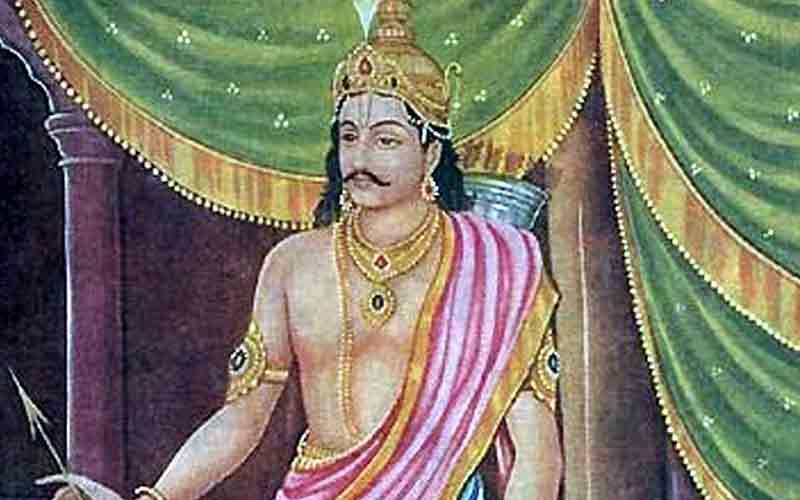
Yudhishthira's Dyuta: The Esoteric Vedic Akshavidya
It is wrong to call Dharmaraja Yudhishthira a gambler. How many times in his life did Dharmaraja Yudhishthira play dyuta (the traditional game of dice)? How many times must one play to be called a vyasani (addict)? It is also wrong to call dyutavidya (the science of dice) gambling. Why did Dharmaraja Yudhishthira have to learn dyutavidya from a rishi (seer)? Why was no teacher to be found other than a rishi? Shaku...
18 October 2026 · 1 min read
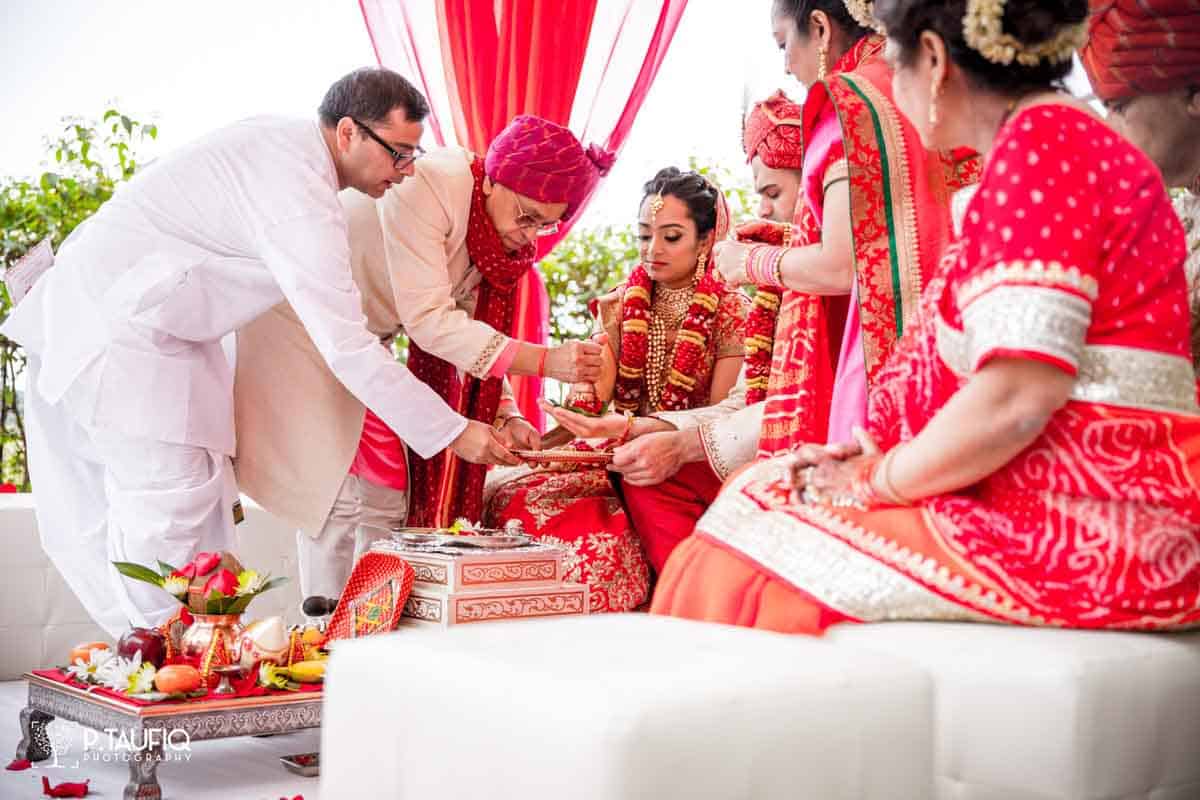
Be It Kanyadaan or Vardaan: What Is Wrong with It?
Is *kanyadan* (the ritual offering of the bride) merely charity? Why is *kanyadan* performed, and is it an insult to women? Understand the true meaning of *kanyadan* in the Hindu *vivaha sanskara* (marriage sacrament), along with its cultural and Vedic significance. Read the authentic exposition of *vardan* (boon) versus *kanyadan*, the mystery of *Brahma vivaha* (the Brahma form of marriage), and a definitive response to the fallacies that seek to misrepresent Hindu traditions.
18 October 2026 · 5 min read