Dharma & CultureBrihaspati Kavach
Salutations to Shri Ganesha. Of this Shri Brihaspati Kavacha stotra-mantra, Ishvara is the Rishi (seer), Anushtup is the chhandas (meter), Guru is the devata (deity), *Gam* is the bija (seed syllable), *Shri* is the shakti (potency), *Kleem* is the kilaka (pinion), and the viniyoga (application) is through recitation for the propitiation of Guru.
अभीष्टफलदं देवं सर्वज्ञं सुरपूजितम् ।
अक्षमालाधरं शान्तं प्रणमामि बृहस्पतिम् ॥ 1 ॥
I bow to Brihaspati, the serene deity who bestows desired fruits, the omniscient one worshipped by the devas, holding an akshamala (rosary).
May Brihaspati protect my head, my fore...
23 October 2026 · 1 min read
Dharma & CultureBrihaspati Stotra
Salutations to Shri Ganesha.
Of this Shri Brihaspati Stotra, Gritsamada is the rishi (seer), Anushtup is the chhandas (metre), Brihaspati is the devata (presiding deity); the viniyoga (ritual application) is recitation for propitiating Brihaspati.
गुरुर्बृहस्पतिर्जीवः सुराचार्यो विदांवरः ।
वागीशो धिषणो दीर्घश्मश्रुः पीताम्बरो युवा ॥ 1 ॥
Guru, Brihaspati, Jiva, preceptor of the suras (gods), foremost among the wise; lord of speech, embodiment of intellect, possessing a long beard, robed in yellow garments, youthful. (1)
सुधादृष्टिर्ग्रहाधीशो ग्रहपीडापहारकः । दयाकर
Whose glance is nectar, sovereign among the grahas (planets), dispeller of planetary afflictions, compassionate...
23 October 2026 · 1 min read
Jyotish◆Samvat 2078 is Rakshasa Samvatsara (year of the sixty-year Jovian cycle)◆ ◆Why the Dispute Over Lupta-Samvatsara (the elided Jovian year)?◆ — Acharya Shri Vinay Jha, Tri-skandha Jyotirvid (scholar of the three branches of Jyotisha), Surya-Siddhantic mathematician; Patron, Akhil Bharatiya Vidwat Parishad, Varanasi; Mathematician, Aditya Panchang (traditional almanac) (Kashi), Shri Sarveshwara Jayaditya Panchang (Jaipur), etc., ... of Aditya Panchang
23 October 2026 · 8 min read
Sanskrit & ShastraTesting Acharya Jagannatha’s literary understanding, "रमणीयार्थ-प्रतिपादक: शब्द: काव्यं" (poetry is that word whose sense is delightful), against the touchstone of modernity, it can be said: "Literature is the chained presentation of thoughts yielding a beautiful meaning, encompassing the sentiments of lokakalyana (universal welfare) while realistically portraying social dimensions." Viewed from this perspective, jyo
23 October 2026 · 3 min read
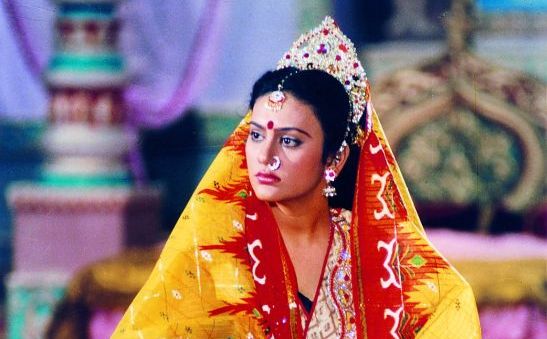
Dharma & CultureWhen Shri Ram, along with Sitaji and Lakshmanji, came to take permission to go to the forest from Dashrathji and Maharishi Vashistha, the cruel Kaikeyi immediately brought valkal vastra (garments made of bark) for all three of them. Shri Ram and Lakshmanji donned the cheera vastra (garments of torn cloth/bark), but when Sitaji began to wear those garments, all the women started weeping and [appealed] to Shri Ram
23 October 2026 · 2 min read
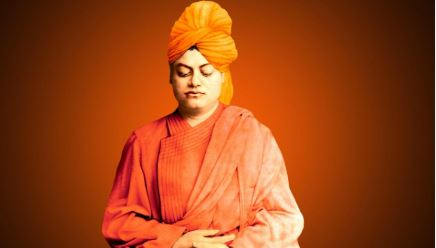
Dharma & CultureIf any saint in modern times has exerted the greatest influence on the public life of India, particularly the youth, it is Swami Vivekananda. Swami Vivekananda, who presented Shankaracharya’s Vedanta philosophy in a modern perspective as Navya Vedanta (neo-Vedanta), was born on 12 January 1863 in Calcutta in a Western
23 October 2026 · 6 min read
Politics & HistoryThe Ardh Kumbh is being organized in Prayagraj from the upcoming Makar Sankranti to Mahashivratri, standing as a wondrous and vital facet of Hindu dharma and Indian culture. Uttar Pradesh Chief Minister Yogi Adityanath is vigorously immersed in the preparations for the Kumbh. To accord Prayagraj Kumbh recognition across the entire world...
23 October 2026 · 5 min read
Sanskrit & ShastraIn the fourth chapter of the Chandogya Upanishad lies the narrative of Jabala, Satyakama, and Maharshi (great sage) Gautama, son of Haridrumat. Jabala represents that Bharat where woman in every form is Narayani (the Goddess); Satyakama stands as that sentinel of truth who proclaims that the steadfast person who never deviates from the path of truth is alone a Brahmana.
23 October 2026 · 4 min read
Sanskrit & ShastraAlthough descriptions of Brahmanas are found in numerous texts, the finest ones are in the Vedas and smritis (sacred texts outside the Vedas). The right to be a Brahmana belongs to everyone, regardless of caste, region, or sect. However, becoming a Brahmana requires the observance of certain rules. Through the observance of these very rules, eight Brah
23 October 2026 · 3 min read
Dharma & CultureAuthor: Acharya Vasudev Mishra, Veda-vijna (knower of the Veda)
यत्रौषधीः समम्मत राजानः समिताविव ।
विप्रः स उच्यते भिषग् रक्षोहामीवचातनः ॥ ऋग्वेदः १०-९७-६ ॥
(Where herbs gather together like kings in a battle assembly, that learned man is called a physician, a destroyer of rakshas [demons] and dispeller of disease.) – Rigveda 10.97.6
Just as a king shines in battle amidst his soldiers, similarly that learned man who is a master of the eight branches of surgery (shalya-ashta-tantra) and an expert in pulse diagnosis (nadi-vijnana) and various types of medicines
18 October 2026 · 15 min read
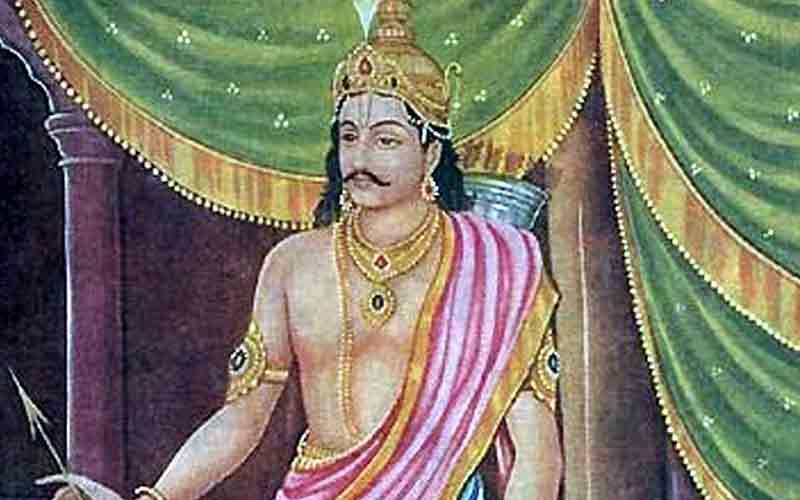
Dharma & CultureIt is wrong to call Dharmaraja Yudhishthira a gambler. How many times in his life did Dharmaraja Yudhishthira play dyuta (the traditional game of dice)? How many times must one play to be called a vyasani (addict)? It is also wrong to call dyutavidya (the science of dice) gambling. Why did Dharmaraja Yudhishthira have to learn dyutavidya from a rishi (seer)? Why was no teacher to be found other than a rishi? Shaku...
18 October 2026 · 1 min read
Sanskrit & ShastraIn the fourth chapter of the Chhandogyopanishad, we find the narrative of Jabala, Satyakam, and Maharshi Gautama, the son of Haridrumata. Jabala represents that Bharat where woman in every form is Narayani (the divine feminine), while Satyakam stands as the sentinel of truth who declares that the wise person who never deviates from the path of truth is alone Brahma
18 October 2026 · 4 min read
Dharma & CultureIn Sanskrit literature, there is a long-standing tradition of *mangalācharan* (auspicious invocation) at the beginning of a text. All the Upanishads have their own *mangalācharan*. If an undertaking is commenced without a *mangalācharan*, there remains the apprehension of obstacles befalling it. Inscribing ‘*Shri Ganeshaya Namah*’ atop a book is also a *mangalācharan*. Yet, the commentator Bhagavan Adi Shankaracharya’s Brah...
18 October 2026 · 2 min read
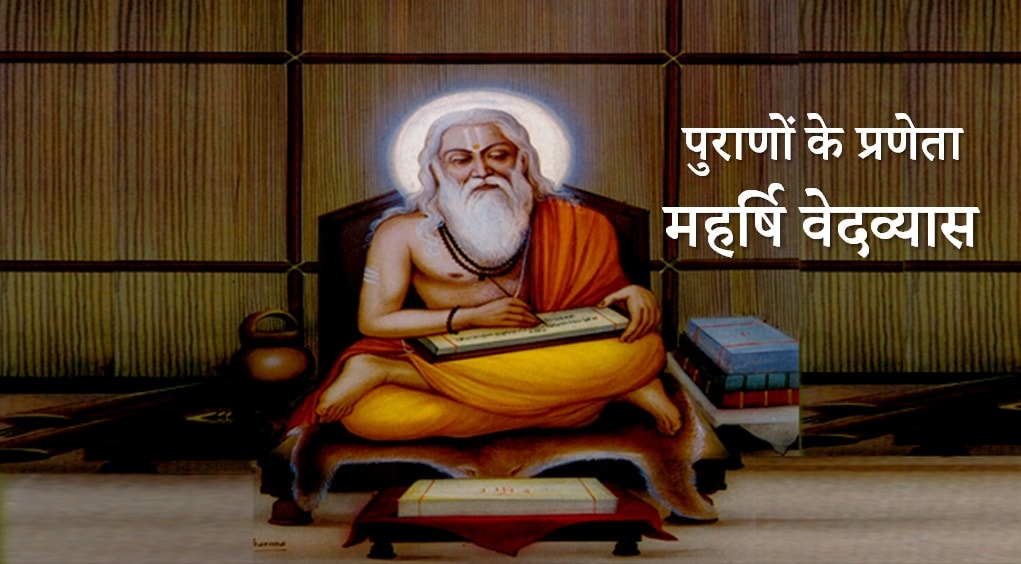
Dharma & CultureCertain misguided individuals fueled by sectarian animosity refuse to accept 'Shrimad Bhagavat', the crest-jewel among the Puranas (ancient texts), as authored by Maharshi Vedavyasa, claiming instead that it was written in the 13th century by a pandit (scholar) named Bopadeva. Although they could not produce proof for this even over several lifetimes, yet futile words...
18 October 2026 · 4 min read
Sanskrit & Shastraभद्रं इच्छन्तः ऋषयः स्वर्विदः, तपो दीक्षां उपसेदु: अग्रे ! ततो राष्ट्रं बलं ओजश्च जातम्, तदस्मै देवा उपसं नमन्तु !!
As stated in this mantra of the Atharvaveda, "The self-realized rishis (seers), desiring the welfare of the world, underwent diksha (consecration) and performed tapas (austerity) at the dawn of creation, from which nation-building...
18 October 2026 · 4 min read
Sanskrit & ShastraMost opponents of Eastern cultures have held the belief that the *somarasa* (sacred juice of the Soma plant) drunk by the Vedic *rishis* (sages) was alcohol. Bachchan's father, the elder Bachchan Sahib, has even penned an entire poem around this vile line of thinking:
"Our ancestors drank Soma and *sura* (spirituous liquor), we call it *hala* (wine),
What they called *dronakalash* (wooden Soma-vessel), today is that very same exquisite *madhughat* (wine-jar),
the altar..."
18 October 2026 · 7 min read
Sanskrit & ShastraIn Hindu Dharma, based on Vedanta thought, there are five major Vedic sampradayas (traditions). 1) The "Shankara-sampradaya", based on the "Advaita" (non-dualism) doctrine of Shrimad Adi Shankaracharya. 2) The "Shri Sampradaya", based on the "Vishishtadvaita" (qualified non-dualism) doctrine of Shrimad Ramanujacharya. It was within the Shri Sampradaya itself that Shrimad Ramanandacharya emerged, and Shri Sam...
17 October 2026 · 7 min read
Dharma & CultureThis was a question on Quora. Here is my reply: I assume you mean by God That which is upholding this universe, responsible for it, the highest authority. So the answer is: God is everywhere, including in us. This answer is based on the insights of the ancient Indian Rishis and m
22 October 2019 · 3 min read