YugSamvad · Politics & History
Politics & HistoryHow Yogi Govt Resolved Puri Shankaracharya's Kumbh Grievance
Mudit Agrawal · English edition 23 October 2026 · Hindi original 19 December 2018 · 5 min read
In Prayagraj, the Ardh Kumbh is being organized from the upcoming Makar Sankranti to Mahashivratri, serving as an extraordinary and vital facet of Hindu dharma (cosmic and social order) and Indian culture. Uttar Pradesh Chief Minister Yogi Adityanath is vigorously immersed in preparations for the Kumbh. Yogi Adityanath’s monumental endeavor to secure global recognition for the Prayagraj Kumbh has elevated it to the status of a Mahakumbh. Yet, in an undertaking of such colossal scale, oversights, hurdles, and occasional complications are only natural. Even within a family during weddings, some lapses inevitably occur; the Kumbh, after all, is a gathering of immense proportions. It is equally natural for someone or the other to feel aggrieved.
Puri Shankaracharya Expressed Displeasure Over Land Allocation at the Kumbh Mela
Regarding the allocation of land at the Prayag Kumbh, the Shankaracharya of the Puri Govardhan Peeth (monastic seat), Swami Shri Nischalananda Saraswati Ji, had raised objections that he was allotted inadequate land in an unsuitable location. Seizing upon this issue, many were mounting relentless attacks on Yogi Adityanath’s government. Amid the airtight preparations for the Kumbh, critics found an opportunity to corner the Yogi administration. But what is the story behind the scenes? Let us understand.
First and foremost, the site allotted to the Puri Shankaracharya Ji is not a sewer drain, but the Mansaita River, which empties into the Ganga. On one side stands a permanent ashram, and on the other, the Kumbh encampment. Nevertheless, foul odors and related difficulties persist there due to certain open drains. Now the question arises: who oversaw the distribution of land for the Kumbh? Did Chief Minister Yogi Adityanath sit down and orchestrate this unjust scheme? The truth is that the allotment of land to all akhadas (traditional monastic orders) and sadhus was conducted by the Akhada Parishad, whose president is Mahant Narendra Giri. The error in the aforementioned faulty allocation lies with the Akhada Parishad, which disregarded the dignity inherent to the office of the Shankaracharya. In the Kumbh Mela, no authority supersedes the Akhada Parishad—neither the administration nor the state government. The administration is compelled to abide by their decisions.
Mahant Narendra Giri of Prayag is well known for his assertiveness and political influence. He is the mahant (monastic head) of the famous Lete Hanuman Mandir and the Baghambari Peeth in Prayag. He has also shared close ties with the Samajwadi Party. The entire allocation of Kumbh land was carried out under his presidency. Had the Yogi government bypassed him, it would have faced accusations of disregarding the ascetics. The administration and the state government find themselves constrained before the local mathadheesh (abbot). How, then, can the blame be laid directly on the Yogi government? Yogi Adityanath does not oversee every single administrative detail in person. Work proceeds according to the mechanisms of the designated committees and organizations. Furthermore, the election or removal of the president of the Akhada Parishad does not rest with the government, but with the Shankaracharya peeths, the vidvat parishad (council of scholars), and related bodies. Thus, this entire episode is a product of internal friction between the peeths and the akhadas; it is certainly not a deliberate slight or neglect of the Puri Shankaracharya Swami Shri Nischalananda Saraswati Ji by the Yogi government, as has been falsely propagandized by certain quarters.
Yogi Government Resolves the Grievances of the Puri Shankaracharya
The Yogi government took cognizance of the legitimate objection raised by the Puri Shankaracharya Ji. Acting on the directives of Yogi Ji, the Prayag Kumbh administration resolved the revered Shankaracharya's grievances. Orders were issued to ensure sanitation on his allotted grounds, cover the open drains, and expand the land area. The provision of amenities has commenced on a war footing. Personally assuming responsibility for the sequence of events, Deputy Chief Minister Keshav Prasad Maurya tendered an apology to the Shankaracharya on behalf of the state government and the Kumbh Mela administration, reiterating their commitment to the Shankaracharya Ji's honor, service, and convenience. Prashant Kumar Mishra, General Secretary of the Uttar Pradesh Aditya Vahini, also issued a statement affirming this position.
Is It Wrong to Call the Prayag Ardh Kumbh a 'Kumbh'?
While that dispute was resolved, certain elements manufactured a bizarre pretext to corner the Yogi government, asking why an Ardh Kumbh was being referred to as a "Kumbh." In truth, designating both Purna Kumbh and Ardh Kumbh as "Kumbh" is entirely proper; whether complete or half, a Kumbh remains a Kumbh. The collective populace has always referred to the Kumbh simply as Kumbh. "Ardh Kumbh" denotes nothing more than its occurrence at the half-interval of the full cycle. Seeking a shastric (scriptural) perspective on this matter, The Analyst spoke with Swami Raghavendradas Ji of Rishikesh, who stated: "Specifying 'Ardh' is necessary only when that specific distinction is intended by the context. If a person of short stature arrives, is it mandatory to call him a dwarf? Or is it sufficient simply to call him a person? This dispute is entirely futile. Both Purna Kumbh and Ardh Kumbh are, in essence, Kumbh."
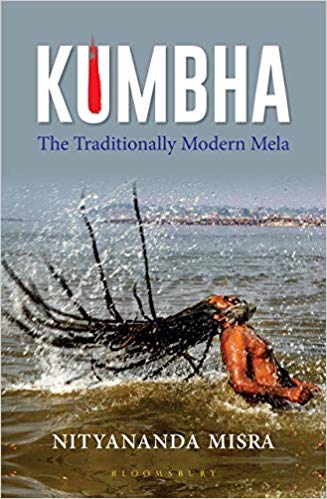
Mahant Yogi Adityanath is dedicated to bestowing supreme grandeur upon this great festival of the Kumbh. Prayagraj is undergoing an unprecedented transformation. Delegations from over 70 countries are set to attend the Kumbh. India’s national festival will project its resonance onto the international stage. Every arrangement is impeccable. The sacred and rarely accessible Akshayavat (the imperishable banyan tree) has also been opened for darshan (sacred viewing) this time—an achievement in itself, as it ordinarily remains under the control of the armed forces. Unprecedented developmental work has been completed in Prayag in view of the Kumbh. Recently, Prime Minister Modi inaugurated the new Bamrauli Airport in Prayagraj, which is soon to become an international airport. Minor oversights are inevitable, and the administration is actively working to resolve them. Therefore, rising above rumors and futile controversies, let us as Indians make this Kumbh a Mahakumbh...
Why and when is the Kumbh held in Prayag, Haridwar, Ujjain, and Nashik?
Kumbh and Prayagraj
What, after all, is the esoteric secret of the Aghori tradition?
Cite this article
Mudit Agrawal. “How Yogi Govt Resolved Puri Shankaracharya's Kumbh Grievance”. YugSamvad, 23 October 2026. https://yugsamvad.com/en/articles/yogee-sarakaara-ne-aise-doora-kee-kumbha-ko-lekara
https://yugsamvad.com/en/articles/yogee-sarakaara-ne-aise-doora-kee-kumbha-ko-lekara · accessed
Related reading
Suicidal Flaws in Countering Sarvadharmasamabhava
Over the past 90 years, the rise of the politics of Muslim appeasement has caused immense damage to Indian culture. By equating 'Ali, Maula, Allah' with Ishvara (the Supreme Godhead), pseudo-secularism has paralyzed our core spiritual and cultural consciousness. Even from a definitional perspective, 'religion' and 'mazhab' (confessional faith) are distinct from dharma (righteous duty and cosmic order)—
18 October 2026 · 8 min read
Be It Kanyadaan or Vardaan: What Is Wrong with It?
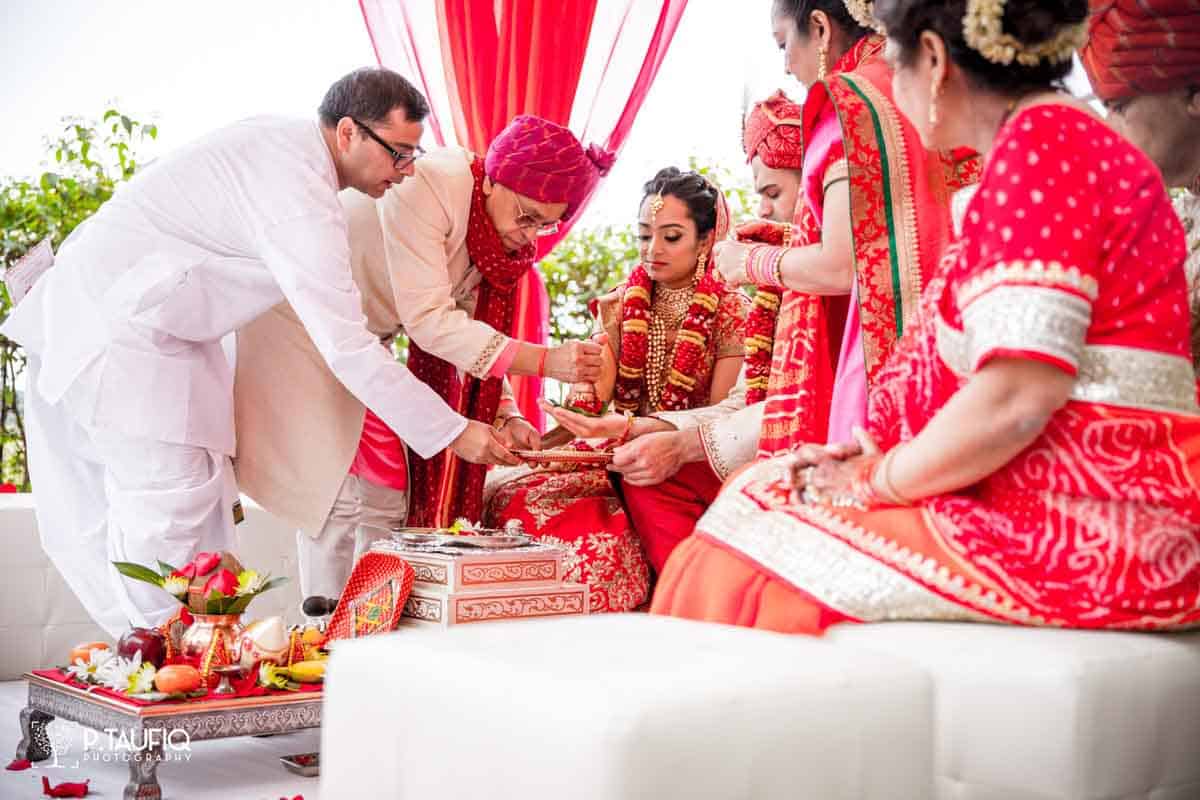
Is *kanyadan* (the ritual offering of the bride) merely charity? Why is *kanyadan* performed, and is it an insult to women? Understand the true meaning of *kanyadan* in the Hindu *vivaha sanskara* (marriage sacrament), along with its cultural and Vedic significance. Read the authentic exposition of *vardan* (boon) versus *kanyadan*, the mystery of *Brahma vivaha* (the Brahma form of marriage), and a definitive response to the fallacies that seek to misrepresent Hindu traditions.
18 October 2026 · 5 min read