YugSamvad · Sanskrit & Shastra
Sanskrit & ShastraWho is a Brahmin According to Hindu Texts?
अजेष्ठ त्रिपाठी · English edition 18 October 2026 · Hindi original 9 August 2017 · 4 min read
Generally, we deem someone a Brahmin, Kshatriya, Vaishya, or Shudra solely on the basis of caste; however, according to Hindu shastras (sacred scriptures), a person's karma (actions) holds far greater weight than their birth. It is on the basis of karma alone that one may truly be called a Brahmin or anything else. Here we shall examine what a person must be like according to the Hindu shastras to be a Brahmin, and what qualifications they must possess...
According to the Bhavishya Purana:
निवृत्तः पापकर्मेभ्योः ब्राह्मणः से विधीयते । शूद्रोSपिशीलसम्पन्नो ब्राह्मणदधिकोभवेत् ॥ भविष्य पुराण . अ. 44।One who has turned away from sinful acts is designated a Brahmin in the true sense. Even a Shudra endowed with virtuous conduct is superior to a Brahmin. A Brahmin devoid of righteous conduct is worse than a Shudra. Discernment, virtuous conduct, svadhyaya (self-study and scriptural study), and paramartha (the highest spiritual good) are the touchstones of Brahminhood. Whosoever withstands this touchstone is, in every sense, a true Brahmin.
According to the Brihaddharma Purana:
ब्रह्मणस्य तू देहो यं न सुखाय कदाचन । तपः क्लेशाय धर्माय प्रेत्य मोक्षाय सर्वदा ॥ वृहद्धर्ग पुराण 2/44॥The Brahmin’s physical body is never meant for sensual indulgence. It is born entirely to endure the rigors of tapasya (austerity), to uphold dharma (righteous duty), and ultimately to attain moksha (liberation). Being a Brahmin signifies the utmost excellence of thought and steadfastness of character.
According to the Manusmriti:
सम्मनादि ब्राह्मणो न律भुद्विजेत् विषादिव । अमृतस्य चाकांक्षे दव मानस्य सर्वदा ॥ मनुस्मृति 1/162॥A Brahmin should constantly dread honor as though it were poison, and ever yearn for insult as though it were nectar.
In the refined order of the varna (social-spiritual order) system, the Brahmin was accorded the pre-eminent position in society. Concurrently, momentous responsibilities of society were entrusted to Brahmins. Upholding the moral standard of the nation and society, leading them toward progress and development, awakening the populace, and setting forth exalted ideals through an ascetic life of renunciation to guide people along the righteous path—this was established as the foundation of a Brahmin's life.
There is no doubt that the awakening, progress, and greatness of a nation rest upon its Brahmins. Brahmins are nation-builders; they voice the hymn of awakening in human hearts and serve as the helmsmen of society. They transform the social order in accordance with desha, kala, and patra (place, time, and circumstance), bestowing a renewed spiritual illumination. Renunciation and sacrifice alone are the touchstones of Brahminhood.
The responsibility of safeguarding the nation rests upon true Brahmins alone. The burden of making the nation vibrant and awakened falls upon them.
According to the Yajurveda:
वयं राष्ट्रे जागृयाम पुरोहिताः। -यजुर्वेद May we, the guardians of the nation, remain ever vigilant and awake. - Yajurveda
Brahminhood is an attainment that can be acquired through incandescent intellect, profound empathy, rigorous sadhana (spiritual practice), and selfless service to society. The Brahmin is indeed a distinct category into which anyone may enter: the Buddha was a Kshatriya, Swami Vivekananda was a Kayastha, yet both were Brahmins of the most transcendent order, possessors of Brahma-vidya (knowledge of the Supreme Reality). The appellation "Brahmin" ought to be used only for those in whom Brahma-consciousness and dharma-conviction are alive and awakened, irrespective of the lineage into which they were born.
According to the Rigveda:
ब्राह्मणासः सोमिनो वाचमक्रत , ब्रह्म कृण्वन्तः परिवत्सरीणम् । अध्वर्यवो घर्मिणः सिष्विदाना, आविर्भवन्ति गुह्या न केचित् ॥ ऋग्वेद 7/103/8 ॥
A Brahmin is one who is tranquil, ascetic, and devoted to yajna (sacrificial offering). Just as the chanters intone mantras in a year-long Soma sacrifice, so too do the frogs raise their voices. Those who are themselves enlightened, who illuminate the world with knowledge, and who guide the strayed back to the righteous path—such alone are termed Brahmins. They must step forward before the world and work for the welfare of mankind.
According to Sage Yaska:
जन्मना जायते शूद्रः संस्कारात् भवेत द्विजः। वेद पाठात् भवेत् विप्रःब्रह्म जानातीति ब्राह्मणः।। That is to say—by birth every person is a Shudra. Through samskara (purificatory rites) one becomes a dvija (twice-born). Through the study and recitation of the Vedas one becomes a vipra (learned scholar). But only one who realizes Brahman (the Supreme Reality) is truly entitled to be called a Brahmin.
One who conducts priestly rituals merely to earn a livelihood is not a Brahmin, but a mendicant. A Brahmin must not be assaulted, nor should a Brahmin harbor wrath toward an assailant. A Brahmin is one who is sinless, untainted, free of conceit, self-restrained, thoroughly versed in Vedanta (the philosophical culmination of the Vedas), a brahmachari (celibate seeker), a brahmavadin (proponent of the Supreme Truth/nirvana), and rooted in dharma.
One who has purged all sin from their inner consciousness, whose soul cannot be touched by the defilement of ego, whose brahmacharya is unblemished, who harbors no craving for any worldly object, and who has perceived the frontier of knowledge through inner vision—such a one alone may rightfully call oneself a Brahmin.
Friends, whether this conception of the Brahmin is practical or not is a separate matter. But to alter the definition of a Brahmin laid down by our ancestors and rishis (seers) of the Sanatana culture merely to suit the times would be sheer folly. A person who stays aloof from the Vedas and Upanishads and remains divorced from the virtues described above—whether born a Brahmin or not—is not a Brahmin by the definition of the rishis. Krinvanto Vishvam Aryam (Make the whole world noble).
– Shri Ajeshta Tripathi, the author resides in Melbourne, Australia, and is a profound scholar and researcher of Hindu dharma, shastras, culture, and history
Read also,
What Are the Eight Types of Brahmins?
Who Were the Shudras? What Did the Shudras Do?
Importance and Contribution of the Vaishya Community in Hindu Dharma
Who is the Greatest Among the Four Varnas of Sanatana Dharma?
Cite this article
अजेष्ठ त्रिपाठी. “Who is a Brahmin According to Hindu Texts?”. YugSamvad, 18 October 2026. https://yugsamvad.com/en/articles/hindoo-granthon-ke-anusaara-kauna-hotaa-hai-braahmana
https://yugsamvad.com/en/articles/hindoo-granthon-ke-anusaara-kauna-hotaa-hai-braahmana · accessed
Related reading
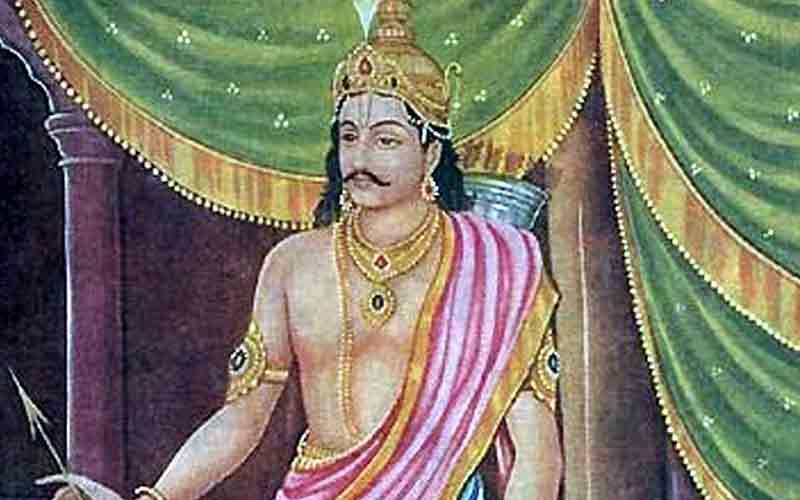
Yudhishthira's Dyuta: The Esoteric Vedic Akshavidya
It is wrong to call Dharmaraja Yudhishthira a gambler. How many times in his life did Dharmaraja Yudhishthira play dyuta (the traditional game of dice)? How many times must one play to be called a vyasani (addict)? It is also wrong to call dyutavidya (the science of dice) gambling. Why did Dharmaraja Yudhishthira have to learn dyutavidya from a rishi (seer)? Why was no teacher to be found other than a rishi? Shaku...
18 October 2026 · 1 min read
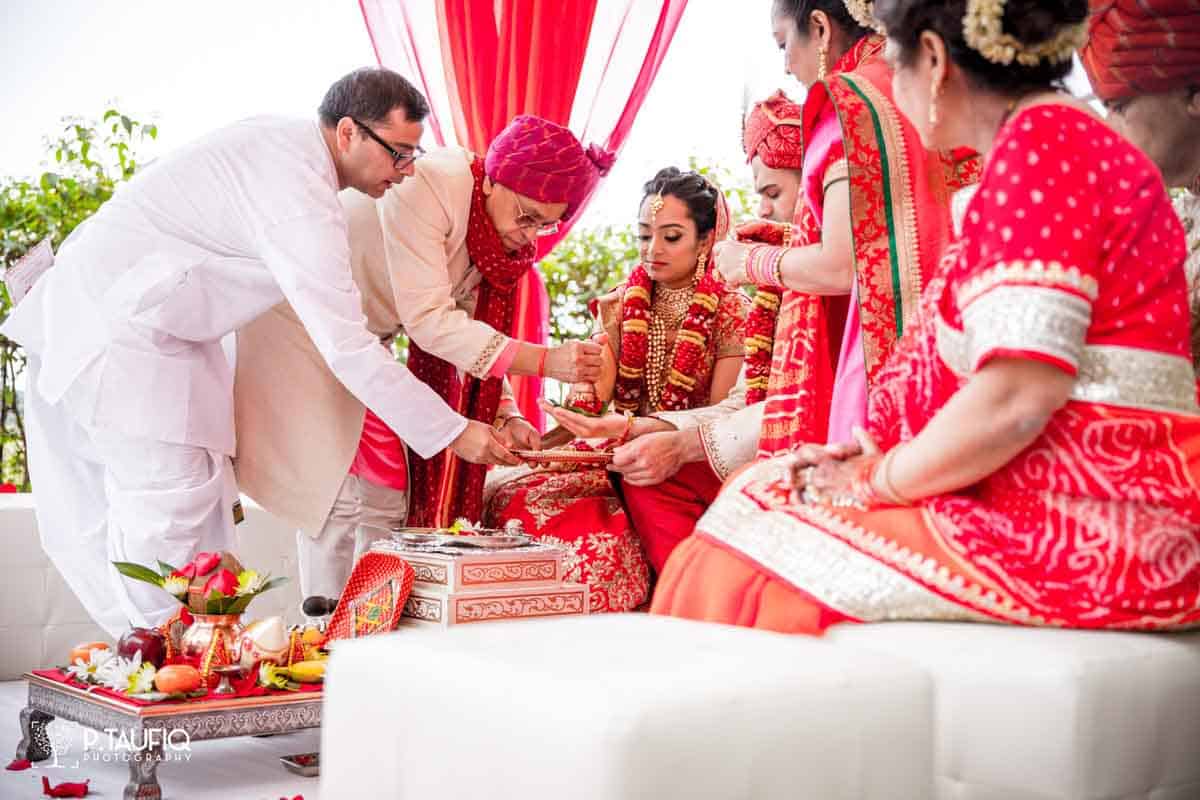
Be It Kanyadaan or Vardaan: What Is Wrong with It?
Is *kanyadan* (the ritual offering of the bride) merely charity? Why is *kanyadan* performed, and is it an insult to women? Understand the true meaning of *kanyadan* in the Hindu *vivaha sanskara* (marriage sacrament), along with its cultural and Vedic significance. Read the authentic exposition of *vardan* (boon) versus *kanyadan*, the mystery of *Brahma vivaha* (the Brahma form of marriage), and a definitive response to the fallacies that seek to misrepresent Hindu traditions.
18 October 2026 · 5 min read