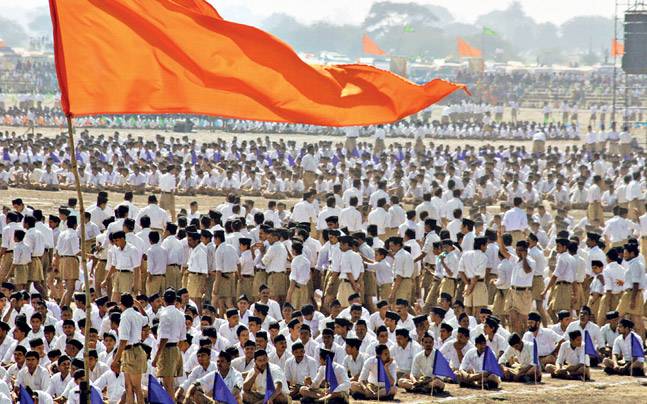
YugSamvad · Dharma & Culture
Dharma & CultureWhy does the Sangh do not Seek Retribution?
Kesari Singh Suryavanshi · English edition 18 October 2026 · Hindi original 12 October 2019 · 5 min read
A Sangh worker was murdered along with his family—in Murshidabad. A total of 4 murders, extremely gruesome and painful.
Why Does the Sangh Not Take Revenge?
This is not the first incident. Numerous innocent swayamsevaks (volunteers) have been murdered. Even the founders of the party currently in power were assassinated. Deendayal Upadhyaya was a Sangh pracharak (full-time worker). Pracharaks are the true capital of the Sangh. He was murdered at Mughalsarai station. Around 2001, while Advani Ji was the Home Minister, ULFA murdered four pracharaks. They were tortured for nearly 4 years, a ransom of 3 crore rupees was demanded, but the Sangh did not pay the money. Perhaps it did not even have it.
At an age when ordinary people in the world run agitations to perpetuate freebies through chicanery, at that very age a "Sangh worker" swallows two chapatis soaked in watery dal and sets out for the awakening of society. They set out to awaken the dormant Ram within human beings. Wandering from door to door, they reduce themselves to dust. Their limited resources and the horror of their circumstances do not make them waver.
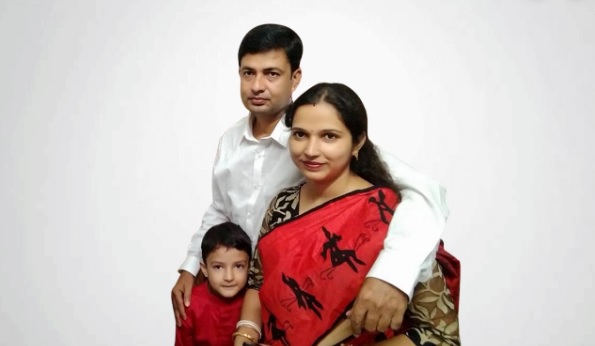 Hindu society will not forget the sacrifice of the hutaatma (martyred) family of the Murshidabad massacre
Whatever the intent behind Sadhvi Pragya's statement, the reality remains that innocent young men of the Sangh are entering the jaws of death one by one. It feels as though sacrifices are being claimed one by one in some marana tantra sadhana (occult practice meant for destruction) of Trishirari!!
Even in the presence of rishis (sages) like Vishvamitra and Agastya, heaps of bones would pile up in the tapovan (forest of penance). What threat could those dispassionate ascetics possibly pose to the most mighty rakshasas (demons)? Yet they killed them anyway. They killed to establish their dominance. And these rishis were stubbornly resolute too. They were being attacked, they endured it, but they would not abandon the place!! They continued to endure until Shri Ram himself arrived and took the vow: Nishichara heena karahum mahi ("I shall rid the earth of demons").
In this world, the saintly life and the path of the righteous exist to endure. The righteous remain silent. They perform tapas (ascetic penance), they endure. Sometimes a Ram emerges and sets out to settle the score for that blood. Ram may dwell in everyone, but not everyone's blood boils. Only a rare individual's blood boils. The blood of a singular person simmers. He steps forward. Binding a shroud around his head, he makes those intoxicated beasts bite the dust. The world marvels. If it is active, it stands beside him.
Vichar Navneet (Bunch of Thoughts) - Shri Guruji Golwalkar - Download
Otherwise, from a safe zone, it peeks out of the corner of its eyes, occasionally closing its eyes to pretend to sleep. It waits for the crisis to pass. When it becomes certain that Ram will win, it even applauds. Hailing victory and so forth, it elevates Ram to the status of God, builds a temple, offers prasad (sacred offering), and chants Om.
The most paramount thing is Ram taking the vow and the world becoming active. An inactive world puts on a farce, hurls taunts, offers unsolicited advice, and tries to evade the issue. So, the question arises: Who after all is Ram?
Who is Ram?
The Sangh does not regard any otherworldly power as God. For it, the form of God is "सहस्रशीर्षा पुरुषः सहस्राक्षः सहस्रपात्" (*Sahasrashirsha purushah sahasrakshah sahasrapat*—the cosmic Being with a thousand heads, a thousand eyes, and a thousand feet). It considers the grand, unified Hindu society itself as God, possessing millions of arms, millions of eyes, and millions of feet. If it is active and awakened, it is virat (cosmic manifestation); otherwise, it is merely the mundane world. Until the purushartha (heroic effort) of this virat society is awakened, the Sangh must endure. It must keep performing tapas. It must keep tolerating the tantrums of Maricha, Subahu, Tataka, Khara-Dushana, and Shurpanakha.
The ultimate purpose of the Sangh does not lie in its swayamsevaks stepping out with sticks and staves, engaging in violence, and then going off to bathe. The true fulfillment of the Sangh will happen when society itself begins to act. When it steps forward and says, "Now rest assured, we will handle everything."
After all, for whom are all these ahutis (sacrificial offerings)? Is that virat consciousness being stirred? Hindu society has merely stretched its limbs; it has not yet awakened. Had it awakened, it would not allow its own to die like this.
Both those who kill and those who die belong to this very society; they live hidden within it. They are nurtured under its protection. These abusers, these blowers of the caste trumpet, these men who hide illicit dealings under white clothes, these people who win elections in the name of the Sangh only to harbor schemes to finish it off, these people who exploit the atmosphere of fearlessness created by the Sangh to speak against it—where do they come from? What more can I say?
If those for whom the Sangh is agonizing themselves desire that people keep dying, then they will keep dying. If the worshipped deity itself is angry, doubtful, and distrustful, then who else does the worshipper have? What is Vishvamitra's role and stature? He must build a hut near the piles of bones and perform the yajna (sacred fire ritual) even amidst the stench. Remember, the rakshasas know very well that if Ram comes, he will come here; if anyone brings Ram, it will be him. Therefore, they torment the rishi, not the public.
– Kesari Singh Suryavanshi, Samskrita Bharati
What Does the Rashtriya Swayamsevak Sangh Do?
The Golden Resolve of Hindu Rashtra
Shri Guruji Golwalkar's Views on the Dangerous Christian Character
Shri Guruji Golwalkar's Views on the Emptiness of Communism
Shri Guruji Golwalkar's Views on the Muslim Crisis After Partition
Cite this article
Kesari Singh Suryavanshi. “Why does the Sangh do not Seek Retribution?”. YugSamvad, 18 October 2026. https://yugsamvad.com/en/articles/sangha-pratishodha-kyon-naheen-letaa
https://yugsamvad.com/en/articles/sangha-pratishodha-kyon-naheen-letaa · accessed
Related reading
Karpatraratnasamuchchaya and Tradition-ism | Including 'Kutarkakootnashak' (Destroyer of False Logic)
This following essay is written by @RamaInExile.Trad: The events of the past few months have shaken me to my core. I was completely unaware of the true nature of the elements within these events. Like a tadpole, my worldview began to undergo a metamorphosis. In the name of Trad vada (Trad traditionalism), dharma...
18 October 2026 · 63 min read
Be It Kanyadaan or Vardaan: What Is Wrong with It?
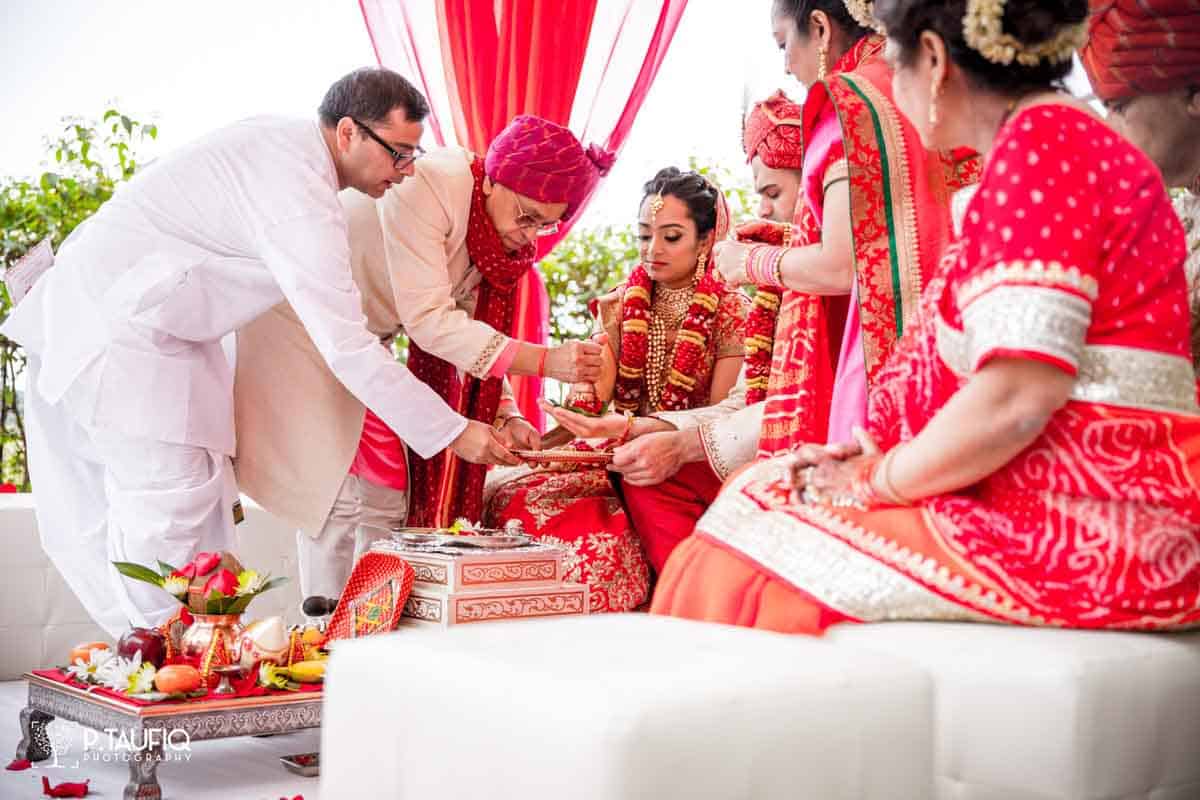
Is *kanyadan* (the ritual offering of the bride) merely charity? Why is *kanyadan* performed, and is it an insult to women? Understand the true meaning of *kanyadan* in the Hindu *vivaha sanskara* (marriage sacrament), along with its cultural and Vedic significance. Read the authentic exposition of *vardan* (boon) versus *kanyadan*, the mystery of *Brahma vivaha* (the Brahma form of marriage), and a definitive response to the fallacies that seek to misrepresent Hindu traditions.
18 October 2026 · 5 min read
Yudhishthira: Sovereign Emperor and Builder of Hindu Rashtra
Given the controversies often seen regarding Yudhishthira and others, we must look to the Mahabharata itself to determine whether Yudhishthira and the other Pandavas were powerful in their own right and embodiments of dharma (righteousness), or if, according to modern propaganda, they were merely dependent on the mercy of Shri Krishna. For the sages repeatedly call him Dharmaraj, and their words cannot be false.
13 September 2026 · 13 min read