YugSamvad · Dharma & Culture
Dharma & CultureRam Temple by Consensus Is the Suicide of Hindutva
Mudit Agrawal · English edition 23 October 2026 · Hindi original 15 October 2019 · 4 min read
What I am about to write today may cause pain to some people. But I write this after much contemplation: building the Ram Mandir (temple dedicated to Shri Ram) through a court verdict or with the consent of Muslims will prove to be suicidal for Hindutva. If the Hindu society, already asleep in the slumber of secularism, gets the temple through Muslim consent, it will go to any length to kiss their feet. And a terrible apathy towards Hindutva will spread everywhere. The Hindu society, weak in its memory, will in a single stroke forget the 1000 years of atrocities committed against Hindus by Muslim invaders, forget the demolition of lakhs of temples, and will forgive Muslims, hail them, sing songs of their benevolence, and not only be buried under the burden of their obligation but will dig a pit, sit in it, and pour soil over its own head. A Ram Mandir built with the consent of Muslims, or a Ram Mandir with Muslim consent following a court verdict in favor of Hindus, will be a conspiracy to end our right over all the thousands of demolished temples. Therefore, under no circumstances does Hindu society want a Ram Mandir of consensus. Hence, all the mediators and brokers trying to resolve the issue through Hindu-Muslim dialogue are working to dig the grave of Hindutva.
Today, the only remaining symbol of Hindutva is the Ram Mandir. If we obtain even that through the pretense of peace, Hindus will fall into such a deep slumber that the vidharmis (adherents of alien faiths) will ride roughshod over them. We want the Ram Mandir only through valor, heroism, and courage, so that the sun of Hindu self-respect does not set. Building the temple by the government bringing an ordinance is an act of courage, and we want only that Ram Mandir born of such courage. Shri Ramjanmabhoomi is not merely a place of worship for the vigraha (consecrated icon) of Shri Ramlala, but the yajnavedi (sacrificial altar) of Hindu self-respect. In this yajnavedi, the offerings of heroism, courage, and valor are the havi (sacrificial oblations) for the deity of Hindutva, by which He is nourished.
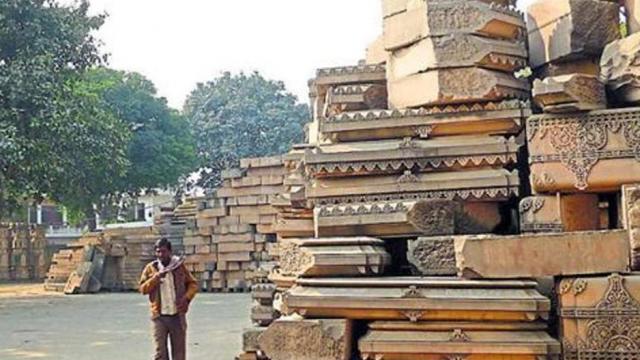
Therefore, there is no hurry to build the Ram Mandir, because that place is reserved for Shri Ram; no power in the universe can place even a single brick on Shri Ramjanmabhoomi for anything other than the temple. But the Hindu society remembers that we have to reclaim thousands of temples, from Kashi Vishwanath to Shri Krishna Janmabhoomi. Until then, like Bharata, we must continue performing Hindutva sadhana (spiritual practice) keeping the charan paduka (sacred sandals) on our heads, so that when Ram returns from exile, Ramrajya (the ideal righteous reign of Shri Ram) arrives. Shri Ram did not return by leaving the war of Hindutva incomplete or by making a treaty with Ravana; rather, he returned to the palace of Ayodhya after slaying Ravana. Do not weep over the fact that Shri Ram is in a tent; Shri Ram has no greed for stone pillars and concrete roofs—He resides in the forest of the Hindu race, which is like the deprived Sugriva. Maharishi Vashistha said to Kaikeyi, "Kaikeyi, Ram is not dependent on royal palaces. The forest in which Ram resides will itself become a nation, and the nation he leaves behind will turn into a wilderness."
We must experience the words of Maharishi Vashistha ourselves; the entire polity of India is making humble entreaties around Ramlala sitting in the tent. Even today, the highest number of security forces are deployed at Shri Ramjanmabhoomi in Ayodhya. Governments after governments are formed in a moment on the single name of Ram, and in the very next moment, they are reduced to dust. By the mere play of Shri Ram's eyebrows, infinite universes are created and dissolved; that Shri Ram will return to the palace only after the destruction of Ravana. When all the temples of India are reclaimed by Hindus, only then will the Shri Ram Mandir movement achieve complete success. That time can come at any moment. Remain steadfast in your devotion to Hindutva.
Victory to Tateshwar Ramlala!
Also Read,
The Truth of Shri Ram, the Universally Beloved Embodiment of Dharma (righteous duty/cosmic order)...
Lord Shri Ram was born this many years ago
6 December 1992, Ayodhya: Political and Cultural Implications
Know what is the relationship between Kailash Mansarovar and Ram Janmabhoomi?
With which animals did Sitaji compare Ravana?
Ancient idols of Lord Ram and Sita found in excavation in Jharkhand
Cite this article
Mudit Agrawal. “Ram Temple by Consensus Is the Suicide of Hindutva”. YugSamvad, 23 October 2026. https://yugsamvad.com/en/articles/sarvasammati-se-raama-mandira-bananaa-hindutva-kee-aatmahatyaa
https://yugsamvad.com/en/articles/sarvasammati-se-raama-mandira-bananaa-hindutva-kee-aatmahatyaa · accessed
Related reading
Karpatraratnasamuchchaya and Tradition-ism | Including 'Kutarkakootnashak' (Destroyer of False Logic)
This following essay is written by @RamaInExile.Trad: The events of the past few months have shaken me to my core. I was completely unaware of the true nature of the elements within these events. Like a tadpole, my worldview began to undergo a metamorphosis. In the name of Trad vada (Trad traditionalism), dharma...
18 October 2026 · 63 min read
Be It Kanyadaan or Vardaan: What Is Wrong with It?
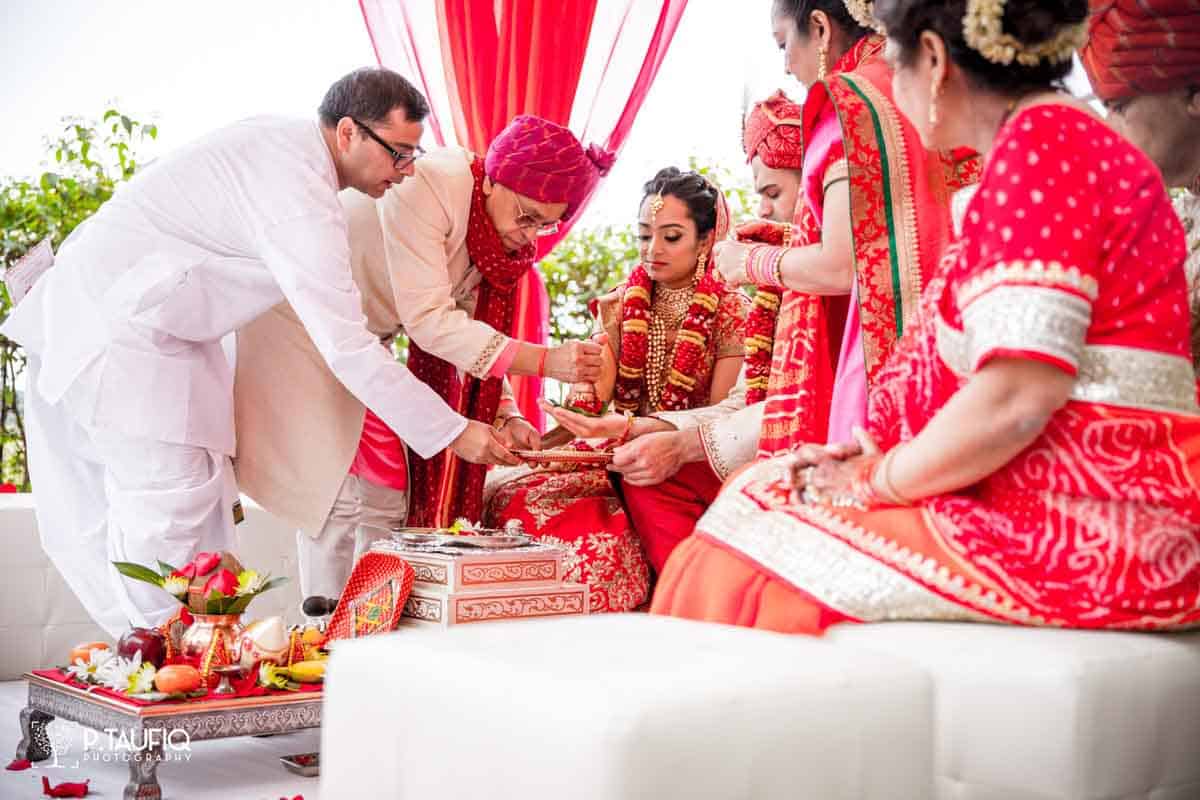
Is *kanyadan* (the ritual offering of the bride) merely charity? Why is *kanyadan* performed, and is it an insult to women? Understand the true meaning of *kanyadan* in the Hindu *vivaha sanskara* (marriage sacrament), along with its cultural and Vedic significance. Read the authentic exposition of *vardan* (boon) versus *kanyadan*, the mystery of *Brahma vivaha* (the Brahma form of marriage), and a definitive response to the fallacies that seek to misrepresent Hindu traditions.
18 October 2026 · 5 min read
Yudhishthira: Sovereign Emperor and Builder of Hindu Rashtra
Given the controversies often seen regarding Yudhishthira and others, we must look to the Mahabharata itself to determine whether Yudhishthira and the other Pandavas were powerful in their own right and embodiments of dharma (righteousness), or if, according to modern propaganda, they were merely dependent on the mercy of Shri Krishna. For the sages repeatedly call him Dharmaraj, and their words cannot be false.
13 September 2026 · 13 min read