JyotishAuthor: Pandit Gangadhar Pathak ‘Vedadyacharya’ (teacher of the foremost Vedas) (Chief Acharya [preceptor] of the Shri Ram Janmabhoomi Shila Pujan [consecration of the foundation stone], Ayodhya)
Chief Priest Acharya Shri Gangadhar Pathak conducting the Shilanyas (laying of the foundation stone) of the Shri Ram Janmabhoomi Temple in Ayodhya by Prime Minister Shri Narendra Modi.
साङ्गोपाङ्गाय वेदाय ज्योतिषां ज्योतिषे नमः । सूर्याय सूर्यसि...
(Salutations to the Veda with all its limbs and sub-limbs, and to the light of all lights [Jyotisha]. Salutations to the Sun, to the Surya...)
23 October 2026 · 6 min read
JyotishFrom the upcoming Samvat 2078, it has been decided by Shri Nimbark Parishad, Jaipur, in collaboration with the Central Sanskrit University, Jaipur Campus, to publish Rajasthan's sole Surya-siddhantic panchang (traditional almanac), 'Shri Sarveshwar Jayaditya Panchang'. For this purpose, regarding the vrat (religious fasts), parva (festivals), utsava (celebrations), muhurta (auspicious timings), etc., in the panchang
23 October 2026 · 4 min read
Politics & HistoryIf you ever attend a military funeral or memorial service, you can see groups of soldiers proudly holding rifles. Then, at a specific time, they aim their weapons at the sky and fire. This practice is quite common around the world and with many traditions,
23 October 2026 · 2 min read
JyotishThere is a very beautiful mantra(1) in the Yajurveda; it states that *diksha* (initiation) is attained only through *vrata*s (vows) such as *brahmacharya* (celibate studenthood)—that is, one gains entrance into *brahmavidya* (knowledge of Brahman) or any other discipline. Then, from *diksha* comes *dakshina* (sacrificial fee/honorarium), meaning prestige through wealth, prosperity, and the like is attained. Here, receiving *dakshina* implies giving *dakshina*,
23 October 2026 · 6 min read
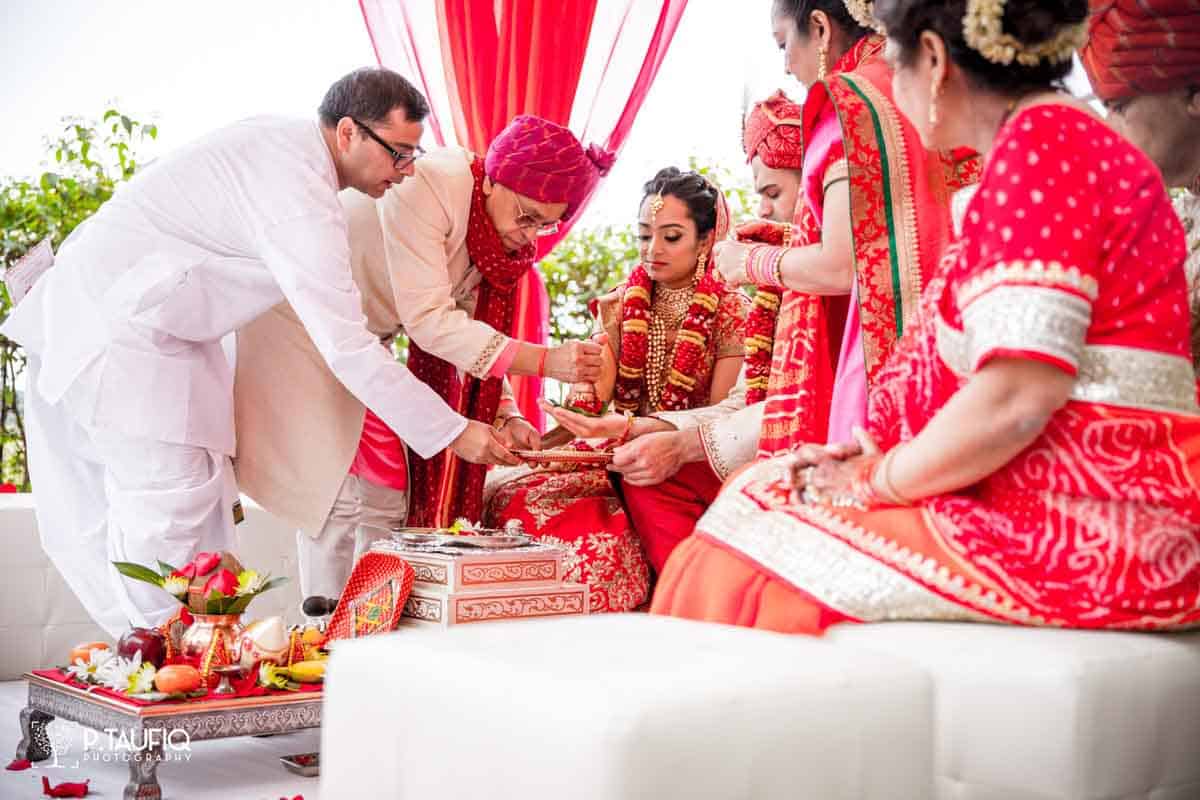
Dharma & CultureIs *kanyadan* (the ritual offering of the bride) merely charity? Why is *kanyadan* performed, and is it an insult to women? Understand the true meaning of *kanyadan* in the Hindu *vivaha sanskara* (marriage sacrament), along with its cultural and Vedic significance. Read the authentic exposition of *vardan* (boon) versus *kanyadan*, the mystery of *Brahma vivaha* (the Brahma form of marriage), and a definitive response to the fallacies that seek to misrepresent Hindu traditions.
18 October 2026 · 5 min read
Sanskrit & ShastraAccording to the Yogasutra, kusamskara (negative mental impressions) are formed through the unceasing bad karma (action) of past lives and this present life. It is these very kusamskaras that are the trash continuously accumulating upon the chitta (mind-stuff). What, then, has the chitta become nowadays? A dustbin or a dump yard!! Time and again, news arrives that so many people die when a mountain of garbage collapses
18 October 2026 · 5 min read
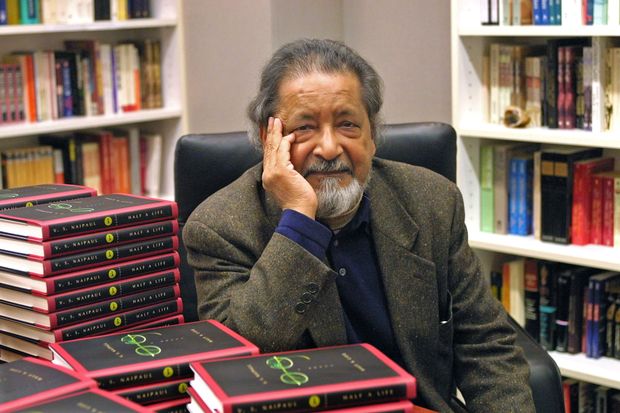
Sanskrit & ShastraVidyadhar Naipaul—the Nobel laureate and sharp Hindu thinker—says that when a house catches fire, one has to step outside to extinguish it. To see just how intense the fire in the house is, one must step outside, because by remaining inside, you cannot see the intensity of the fire...
18 October 2026 · 4 min read
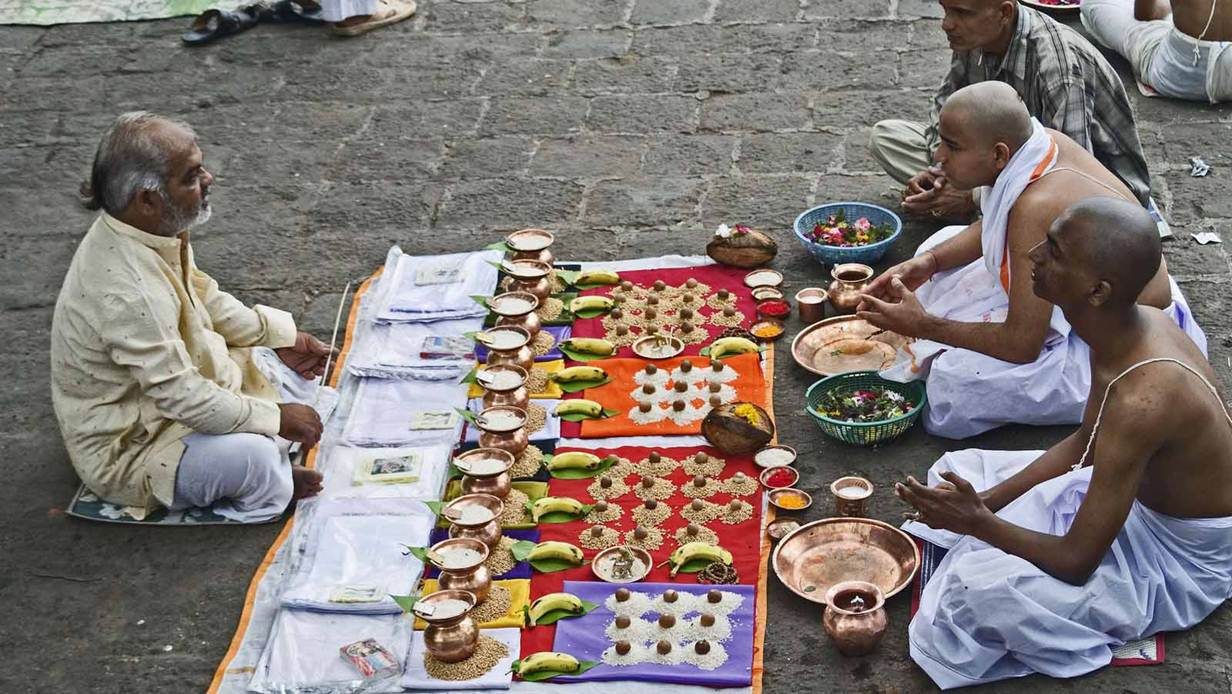
Sanskrit & ShastraShraddha (rites for the ancestors) is a symbol of true devotion towards one's forebears. That rite which is performed methodically with devotion for the sake of the pitrus is precisely what is called 'shraddha'. According to Hindu dharma, it is our duty to offer salutations to our parents and ancestors at the beginning of every auspicious act. Our ancestors
18 October 2026 · 4 min read
Sanskrit & ShastraWhere does the jiva (individual soul) go after death? A detailed description of this is found in the Chandogya Upanishad of the Tandya Mahabrahmana of the Samaveda. Three gatis (post-mortem paths) of the jiva are described there, among which we shall discuss the movement towards Chandraloka (realm of the Moon), in which...
17 October 2026 · 8 min read
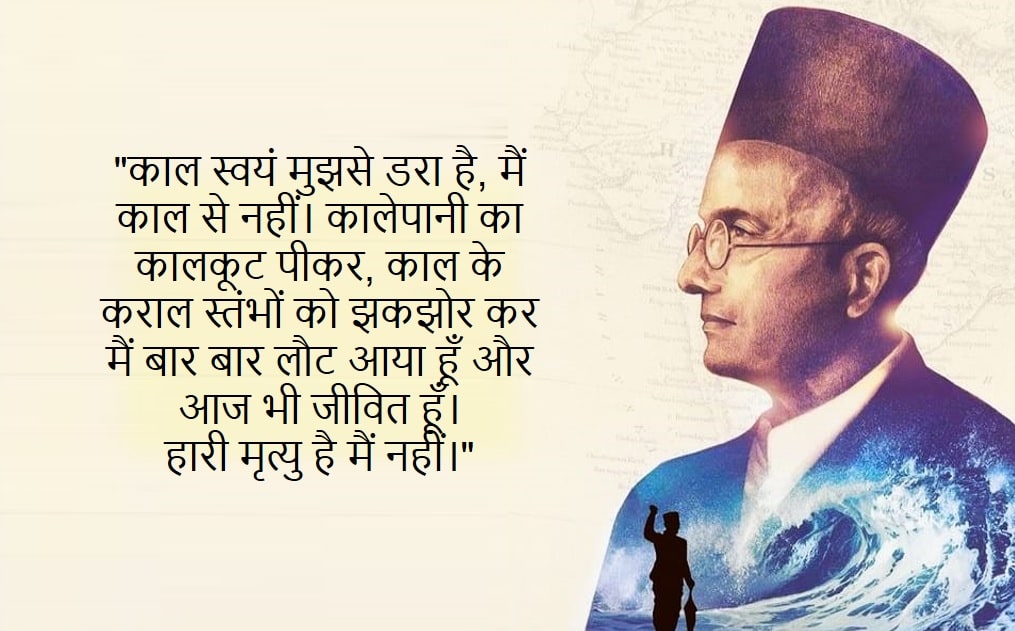
Politics & History"Come, Death... come... do come." At the age of 83, Veer Savarkar, adopting the ancient tradition of Hindu sadhus (ascetics), renounced food, water, and medicines on 1 February, on the tithi (lunar day) of Magha Shukla Ekadashi (eleventh day of the waxing fortnight in the month of Magha). He maintained, "When life's mission is fulfilled, and the strength to serve society no longer remains, one should embrace death oneself."
17 October 2026 · 3 min read
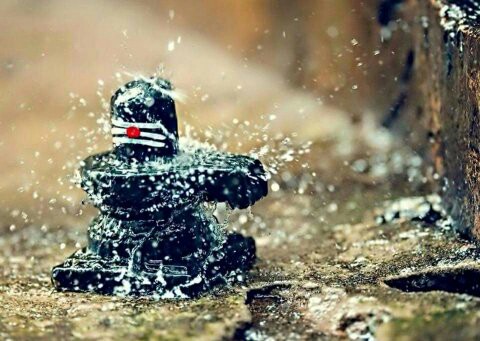
Dharma & CultureOn the day of Mahashivratri, you must have observed your parents or grandparents worship the Shiva Linga in the morning. They might have even asked you to come to the temple with them to bathe the linga with water or milk and you may or may not have accompanied them for various r
2 March 2019 · 6 min read