JyotishIn *Panchasiddhantika*-1/3 1 by Varahamihira, one of the navaratnas (nine gems) of Vikramaditya, the Surya Siddhanta was designated as the “Saura” Siddhanta, and in *Panchasiddhantika*-1/4 2 it was called the “Savitra” Siddhanta. Therefore, according to Varahamihira, Savita—the Vedic deity of the Gayatri Mantra—is himself the exponent of the Surya Siddhanta, and his
23 October 2026 · 5 min read
Jyotish◆Samvat 2078 is Rakshasa Samvatsara (year of the sixty-year Jovian cycle)◆ ◆Why the Dispute Over Lupta-Samvatsara (the elided Jovian year)?◆ — Acharya Shri Vinay Jha, Tri-skandha Jyotirvid (scholar of the three branches of Jyotisha), Surya-Siddhantic mathematician; Patron, Akhil Bharatiya Vidwat Parishad, Varanasi; Mathematician, Aditya Panchang (traditional almanac) (Kashi), Shri Sarveshwara Jayaditya Panchang (Jaipur), etc., ... of Aditya Panchang
23 October 2026 · 8 min read
Politics & HistoryMicrosoft allows typing in its Mangal font (Devanagari), but neither typing nor copy-pasting is possible in Mithilakshara of the SMP plane, because LOOKUP has been restricted in its Word, without which typing in any Indian script is impossible, because in Indian scripts, mu
23 October 2026 · 10 min read
Politics & HistoryTactics like the Nobel Prize have been openly used in the propagation and promotion of Western culture. Tolstoy was not awarded the Nobel Prize so as not to offend the Russian Tsar, even though everyone in the West, too, has always acknowledged that there was no greater writer in the world than him. The Nobel Prize
23 October 2026 · 10 min read
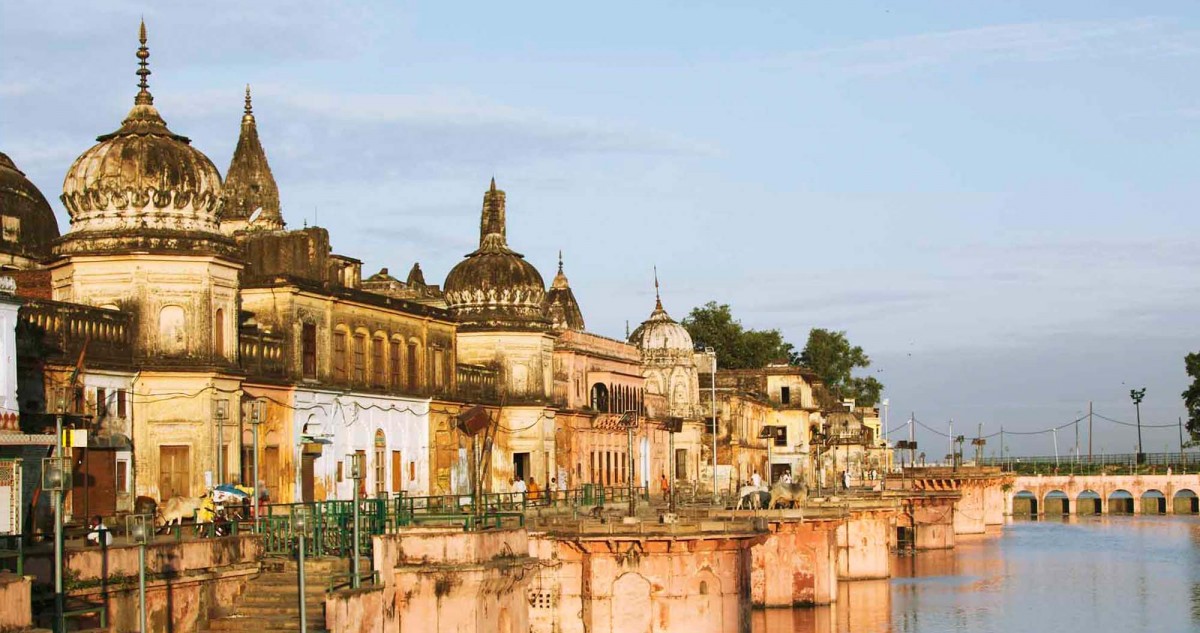
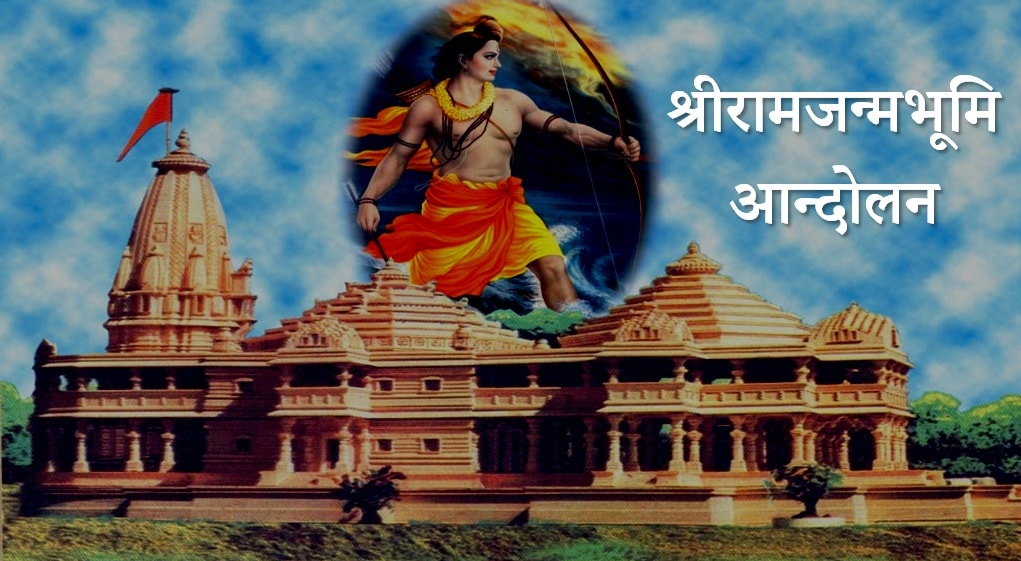
Sanskrit & Shastra“Ayodhya” means that which cannot be conquered through war. Babur attacked, demolished the temple, and built a mosque; Aurangzeb demolished three other ancient temples there, yet until 1858 it remained under the control of armed sadhus who never permitted any Muslim to offer namaz at the birthplace of Ram Lalla. Queen Vict
23 October 2026 · 8 min read
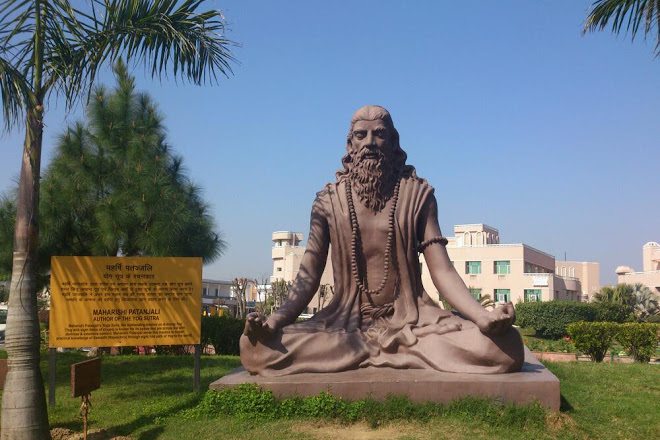
Sanskrit & Shastra“Should today's youth do strength exercises like push-ups, squats, etc., in addition to pranayama (breath control) and asana (yogic postures) to maintain physical strength?” Answer — Strength exercises like push-ups, danda-baithak (traditional Indian push-ups and squats) or weight training increase pressure, which indeed increases muscular strength.
23 October 2026 · 6 min read
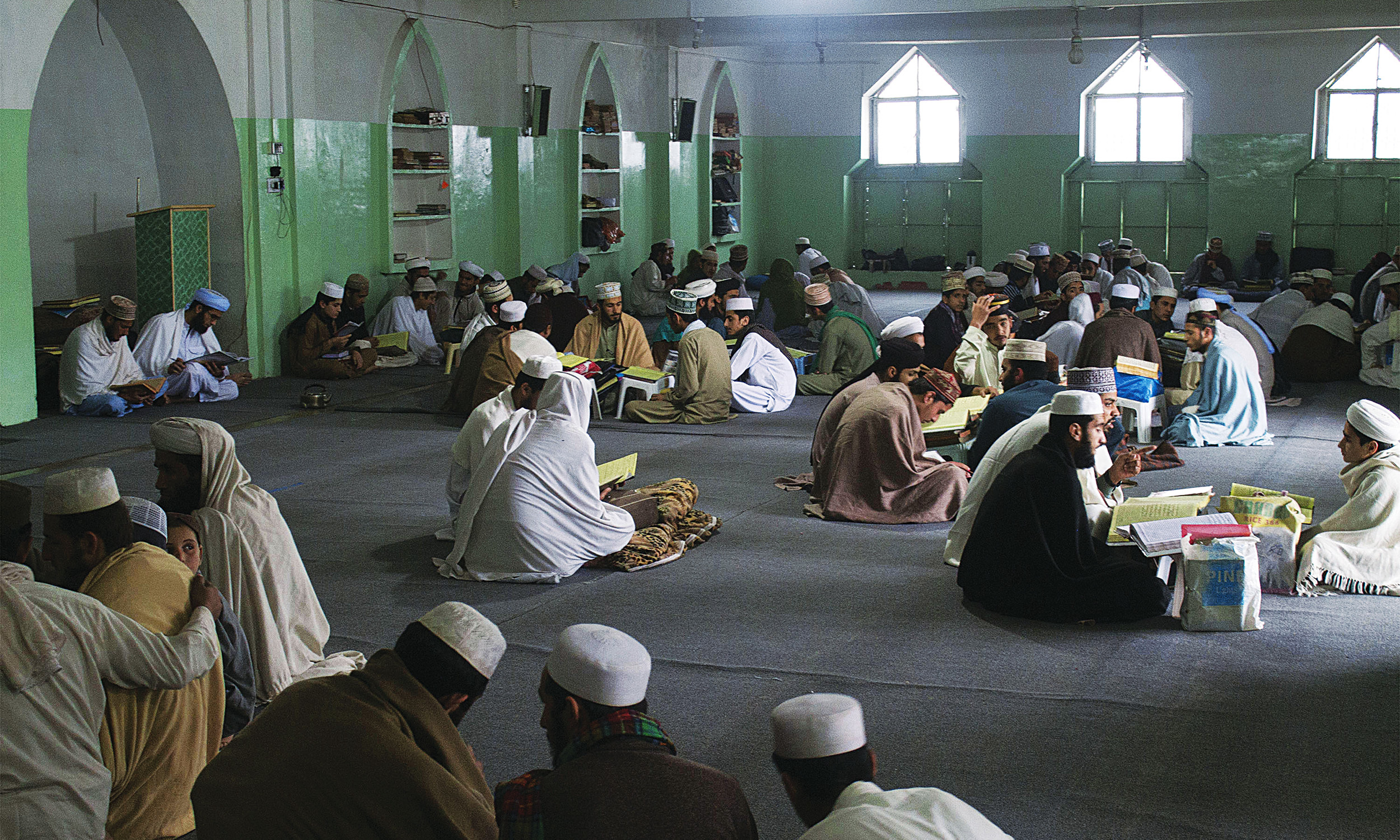
Dharma & CultureAs long as madrasas remain in India or any other country, the jihadi mindset and terrorism will remain. The etymology of the word madrasa goes back to the Semitic root "d r s", from which the word *madrasah* was derived in Arabic and is called madrasa in Urdu. Without vowels, no word or root can even be formed; the Semitic root—
23 October 2026 · 4 min read
Dharma & CultureBefore invading India, Babur had come to India in the guise of a Sufi (Islamic mystic) kalandar (wandering dervish). Disguised as a kalandar, he also met the Sultan of Delhi, Sikandar Lodi. He also went to Ayodhya, where two fakirs (ascetics) (Sufis) extracted a promise from him that if he demolished the Shri Ram Janmabhoomi temple and built a mosque there, he would receive the fakirs' bles...
23 October 2026 · 4 min read
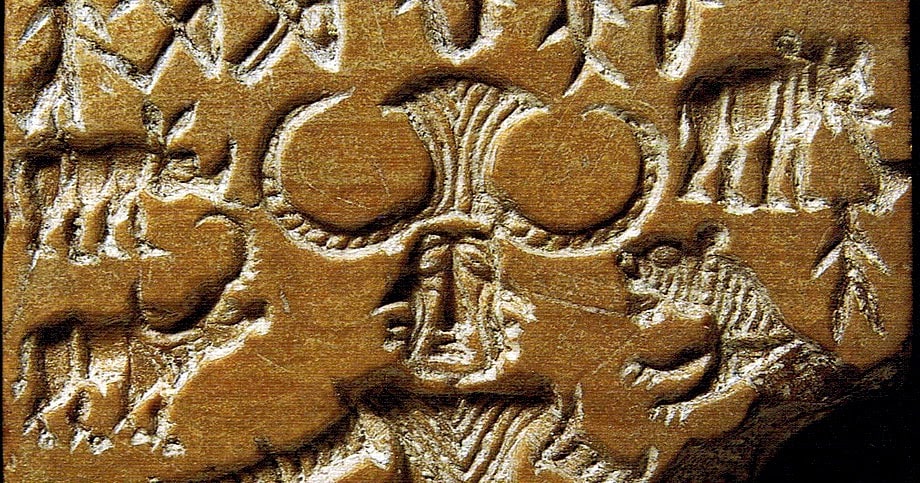
Sanskrit & ShastraThe so-called 'scholars' of Europe characterized the Mohenjo-daro and Harappa 'civilization' as the oldest foundation of Indian civilization and declared it to be more advanced and ancient compared to the Vedic (pertaining to the Vedas) pastoralists—a view that our policy-makers and so-called intellectuals, especially leftist historians, continue to accept to this day. Th
23 October 2026 · 25 min read
Dharma & CultureIt is one hundred percent false propaganda that there was no murtipuja (deity worship) in Sanatana Dharma (eternal cosmic order). India's oldest murtis (sacred images) do not belong to the Jains or the Buddhists. This propaganda was first started by the British—claiming that Greek kings introduced murtipuja in India—and was later carried forward by the pseudo-Christians of the Brahmo Samaj and Arya Samajists like
23 October 2026 · 6 min read
Dharma & CultureKrishnapaksha (dark fortnight of the lunar month)! On top of that, ashtami (eighth lunar day)! And that too during dakshinayana (southern transit of the sun)! Only a purnavatara (complete incarnation) can bear this, and make it auspicious! In a mahayuga (great epoch), there are ten avataras (incarnations) of Shri Vishnu, of which only three are purnavataras. Out of those three, only Krishnavatara (incarnation of Krishna) is meant for two yugas (epochs)—Dwapara (the third age) and Kali (the dark age), because in Kaliyuga...
18 October 2026 · 4 min read
Dharma & Culture*Medha* (intellect) and the Herd
“He who protects *dharma* (righteousness/cosmic order), *dharma* protects him.” The meaning of *dharma* is Vedic *yajna* (sacrificial ritual), that is, the *karma-kanda* (ritual section) of the Vedas. There are ten characteristics of *dharma* — *dhriti* (fortitude), *kshama* (forgiveness), *dama* (self-control), *asteya* (non-stealing), *shaucha* (purity), *indriya-nigraha* (sensory control), *dhi* (intellect), *vidya* (knowledge), *satya* (truth), and *akrodha* (absence of anger). But these are merely characteristics on the basis of which we can recognize that a particular...
18 October 2026 · 8 min read
Dharma & CultureThe *Ashtadhyayi* (Panini's foundational Sanskrit grammar) (1.2.34) states that "except for *japa* (muttered recitation), *nyunkha* (a specialized prolonged chanting of the syllable 'O'), and *sama* (melodic Vedic chanting), *ekashruti* (monotone recitation) may be employed in *yajna-karma* (sacrificial ritual performance)." When a long "Om" (or short "u" or "o") has to be appended to any *veda-mantra* (Vedic hymn), that "Om" is called "*nyunkha*". *Ekashruti* means reciting by treating all accents as a single tone.
18 October 2026 · 2 min read
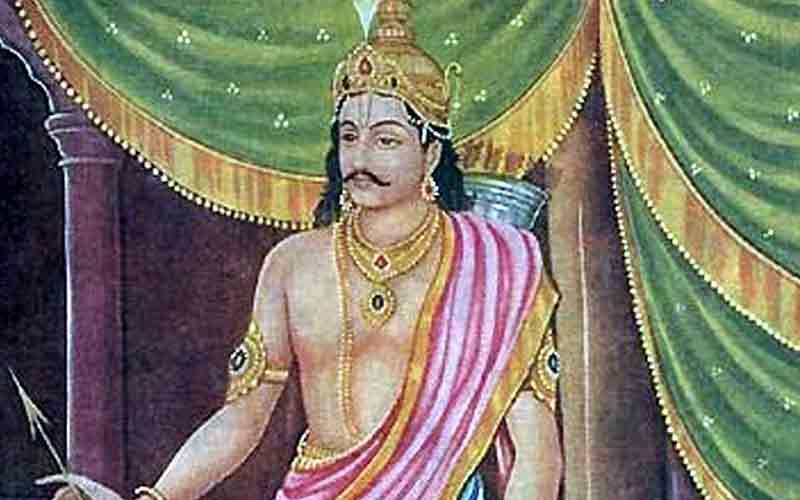
Dharma & CultureIt is wrong to call Dharmaraja Yudhishthira a gambler. How many times in his life did Dharmaraja Yudhishthira play dyuta (the traditional game of dice)? How many times must one play to be called a vyasani (addict)? It is also wrong to call dyutavidya (the science of dice) gambling. Why did Dharmaraja Yudhishthira have to learn dyutavidya from a rishi (seer)? Why was no teacher to be found other than a rishi? Shaku...
18 October 2026 · 1 min read
Dharma & CultureMantra: The instrument of the mind is called a "mantra". That is, the means to turn into truth whatever *sankalpa* (resolve) the mind conceives is called a mantra. No Vedic *samhita* (textual collection) contains "mantras". In the Rigveda, there are *richas* (verses) used for praise in a *yajna* (sacred ritual), the *saman* (melodic chants) of the Samaveda are sung, and with the *yajus* (prose formulas) of the Yajurveda, *havi* (oblation) is offered
18 October 2026 · 8 min read