Dharma & Culture*Medha* (intellect) and the Herd
“He who protects *dharma* (righteousness/cosmic order), *dharma* protects him.” The meaning of *dharma* is Vedic *yajna* (sacrificial ritual), that is, the *karma-kanda* (ritual section) of the Vedas. There are ten characteristics of *dharma* — *dhriti* (fortitude), *kshama* (forgiveness), *dama* (self-control), *asteya* (non-stealing), *shaucha* (purity), *indriya-nigraha* (sensory control), *dhi* (intellect), *vidya* (knowledge), *satya* (truth), and *akrodha* (absence of anger). But these are merely characteristics on the basis of which we can recognize that a particular...
18 October 2026 · 8 min read
Dharma & CultureThe *Ashtadhyayi* (Panini's foundational Sanskrit grammar) (1.2.34) states that "except for *japa* (muttered recitation), *nyunkha* (a specialized prolonged chanting of the syllable 'O'), and *sama* (melodic Vedic chanting), *ekashruti* (monotone recitation) may be employed in *yajna-karma* (sacrificial ritual performance)." When a long "Om" (or short "u" or "o") has to be appended to any *veda-mantra* (Vedic hymn), that "Om" is called "*nyunkha*". *Ekashruti* means reciting by treating all accents as a single tone.
18 October 2026 · 2 min read
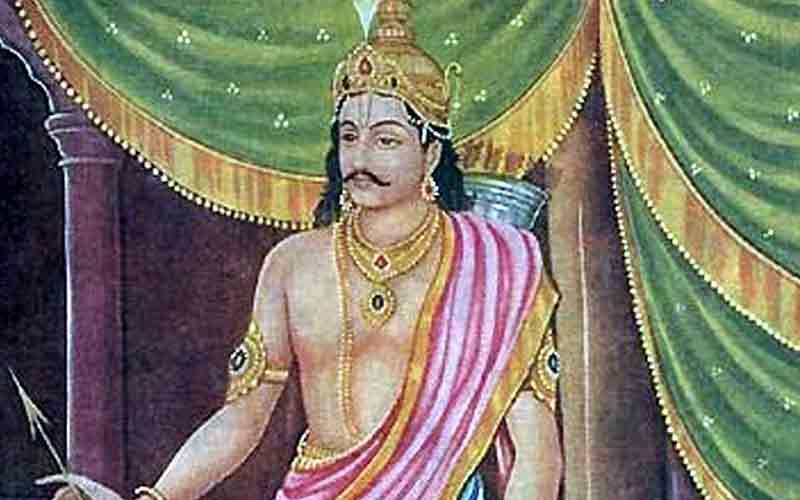
Dharma & CultureIt is wrong to call Dharmaraja Yudhishthira a gambler. How many times in his life did Dharmaraja Yudhishthira play dyuta (the traditional game of dice)? How many times must one play to be called a vyasani (addict)? It is also wrong to call dyutavidya (the science of dice) gambling. Why did Dharmaraja Yudhishthira have to learn dyutavidya from a rishi (seer)? Why was no teacher to be found other than a rishi? Shaku...
18 October 2026 · 1 min read
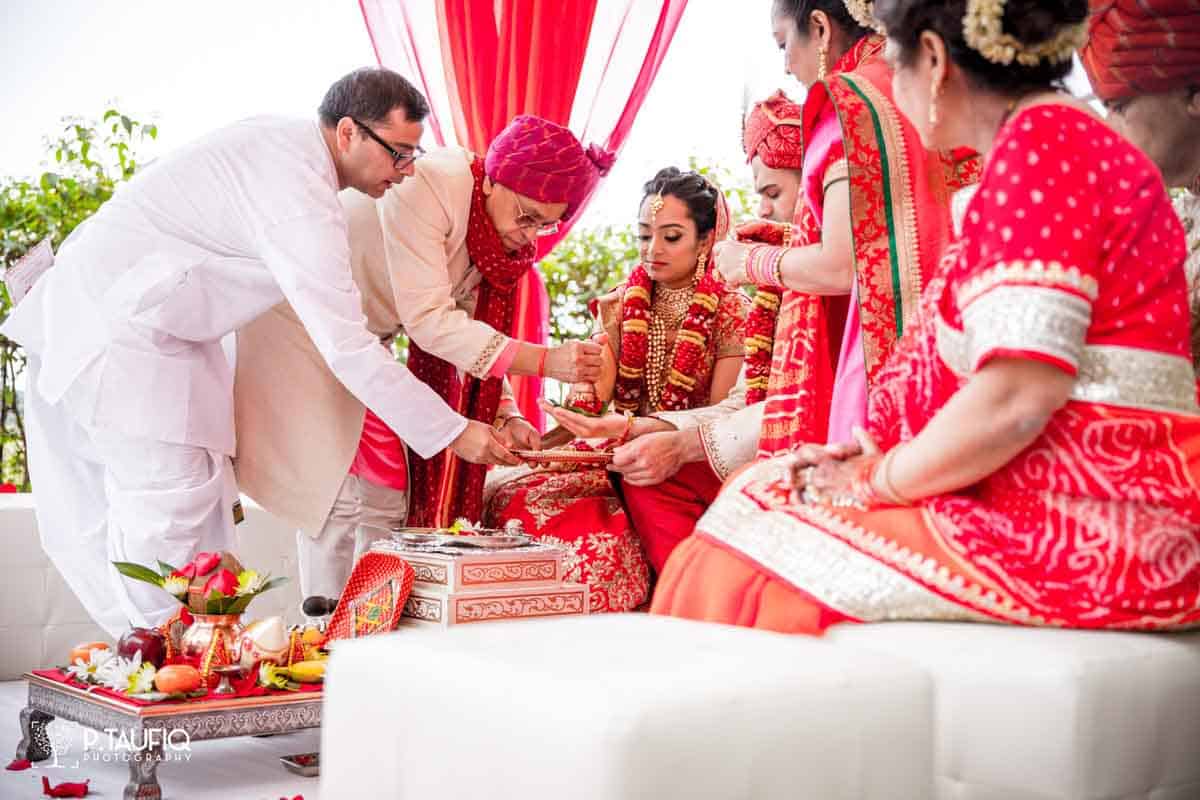
Dharma & CultureIs *kanyadan* (the ritual offering of the bride) merely charity? Why is *kanyadan* performed, and is it an insult to women? Understand the true meaning of *kanyadan* in the Hindu *vivaha sanskara* (marriage sacrament), along with its cultural and Vedic significance. Read the authentic exposition of *vardan* (boon) versus *kanyadan*, the mystery of *Brahma vivaha* (the Brahma form of marriage), and a definitive response to the fallacies that seek to misrepresent Hindu traditions.
18 October 2026 · 5 min read
Sanskrit & ShastraThe Saga of the Puranas (ancient chronicles), Part-1
The banyan tree of Hindu Dharma (cosmic and moral order), with its myriad branches laden with leaves, flowers, and fruits, rests upon roots that extend deep into the Vedas (sacred scriptures). But what is its trunk? Its trunk is the Puranas. If Hindu Dharma is likened to a grand multi-storeyed building, the Vedas would be called its foundation, and the 'Puranas' its pillars.
18 October 2026 · 4 min read
Dharma & CultureShri-Surabhyashtottara-Sahasranama-Malika Author: Pandit Gangadhar Pathak 'Vedadyacharya' Head Priest: Shri Ram Janmabhoomi Shilapujan, Ayodhya Guide: Shri Sarveshwar Jayaditya Panchang (traditional almanac), Jaipur Prime Minister Shri Narendra Modi performing the shilanyas (laying of the foundation stone) of the Shri Ram Janmabhoomi temple in Ayodhya as the chief purohit (priest)
18 October 2026 · 1 min read
Sanskrit & ShastraGenerally, we consider someone a Brahmin, Kshatriya, Vaishya, or Shudra solely on the basis of jati (birth-caste), but according to Hindu dharmagranthas (sacred texts), a person's karma (actions) is of greater importance than their birth. It is only on the basis of karma that one can truly be called a Brahmin or anything else. Here, we shall see that Hindu sha...
18 October 2026 · 4 min read
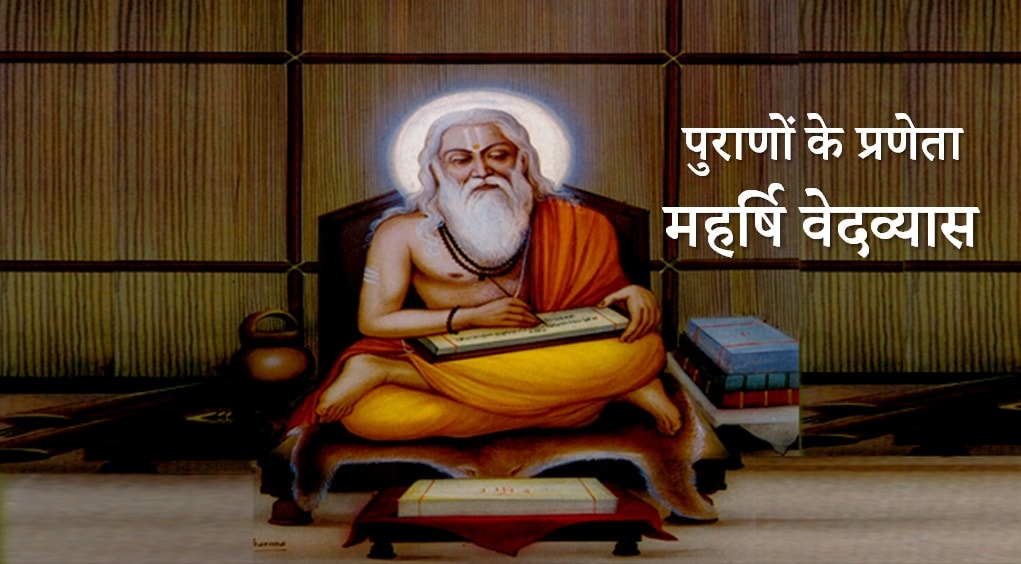
Dharma & CultureCertain misguided individuals fueled by sectarian animosity refuse to accept 'Shrimad Bhagavat', the crest-jewel among the Puranas (ancient texts), as authored by Maharshi Vedavyasa, claiming instead that it was written in the 13th century by a pandit (scholar) named Bopadeva. Although they could not produce proof for this even over several lifetimes, yet futile words...
18 October 2026 · 4 min read
Sanskrit & ShastraA coincidence never to be repeated: Once a photograph appears on the internet, it can no longer be called a ‘rare photo’. This photograph of the Solvay Conference (in the year 1927) (shown here) is likewise not rare in the above context, yet there is one fact that renders this photograph rarer than rare.
18 October 2026 · 3 min read
Sanskrit & Shastraभद्रं इच्छन्तः ऋषयः स्वर्विदः, तपो दीक्षां उपसेदु: अग्रे ! ततो राष्ट्रं बलं ओजश्च जातम्, तदस्मै देवा उपसं नमन्तु !!
As stated in this mantra of the Atharvaveda, "The self-realized rishis (seers), desiring the welfare of the world, underwent diksha (consecration) and performed tapas (austerity) at the dawn of creation, from which nation-building...
18 October 2026 · 4 min read
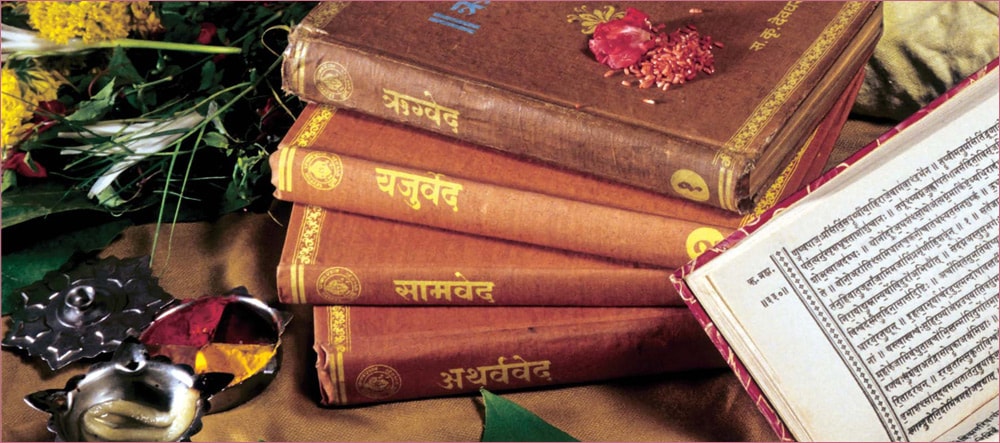
Dharma & CultureMantra: The instrument of the mind is called a "mantra". That is, the means to turn into truth whatever *sankalpa* (resolve) the mind conceives is called a mantra. No Vedic *samhita* (textual collection) contains "mantras". In the Rigveda, there are *richas* (verses) used for praise in a *yajna* (sacred ritual), the *saman* (melodic chants) of the Samaveda are sung, and with the *yajus* (prose formulas) of the Yajurveda, *havi* (oblation) is offered
18 October 2026 · 8 min read
Sanskrit & ShastraMost opponents of Eastern cultures have held the belief that the *somarasa* (sacred juice of the Soma plant) drunk by the Vedic *rishis* (sages) was alcohol. Bachchan's father, the elder Bachchan Sahib, has even penned an entire poem around this vile line of thinking:
"Our ancestors drank Soma and *sura* (spirituous liquor), we call it *hala* (wine),
What they called *dronakalash* (wooden Soma-vessel), today is that very same exquisite *madhughat* (wine-jar),
the altar..."
18 October 2026 · 7 min read
Sanskrit & Shastra"लयनात इति लिंगमुच्यते" (That into which all dissolves is called the *linga*)—that in which the entire creation dissolves is the *linga* (aniconic emblem of Shiva); that is, that which remains after the entire universe dissolves, namely the *brahmapadartha* (ultimate substance of Brahman). In the entire Shaiva (pertaining to Shiva) world, Paramatman (Supreme Soul) Shankara is worshipped in the form of the *linga*. First, let us understand in broad terms what Shaivas are—roughly speaking, Shaiva means regarding Shiva alone as the complete Paramatman...
18 October 2026 · 5 min read
Sanskrit & ShastraWhere does the jiva (individual soul) go after death? A detailed description of this is found in the Chandogya Upanishad of the Tandya Mahabrahmana of the Samaveda. Three gatis (post-mortem paths) of the jiva are described there, among which we shall discuss the movement towards Chandraloka (realm of the Moon), in which...
17 October 2026 · 8 min read
Sanskrit & ShastraIn Hindu Dharma, based on Vedanta thought, there are five major Vedic sampradayas (traditions). 1) The "Shankara-sampradaya", based on the "Advaita" (non-dualism) doctrine of Shrimad Adi Shankaracharya. 2) The "Shri Sampradaya", based on the "Vishishtadvaita" (qualified non-dualism) doctrine of Shrimad Ramanujacharya. It was within the Shri Sampradaya itself that Shrimad Ramanandacharya emerged, and Shri Sam...
17 October 2026 · 7 min read
Dharma & CultureGiven the controversies often seen regarding Yudhishthira and others, we must look to the Mahabharata itself to determine whether Yudhishthira and the other Pandavas were powerful in their own right and embodiments of dharma (righteousness), or if, according to modern propaganda, they were merely dependent on the mercy of Shri Krishna. For the sages repeatedly call him Dharmaraj, and their words cannot be false.
13 September 2026 · 13 min read
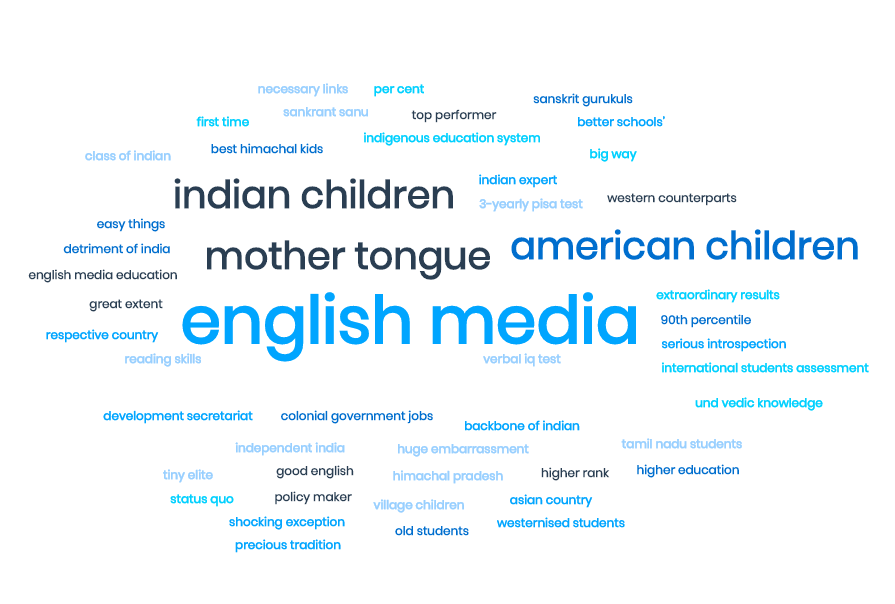
Sanskrit & ShastraIt is no secret why the British replaced the indigenous education system and Sanskrit gurukuls with English education. They wanted to create a class of Indians who think like the British and in this way weaken India. Sanskrit culture und Vedic knowledge was the backbone of Indian
22 October 2019 · 10 min read
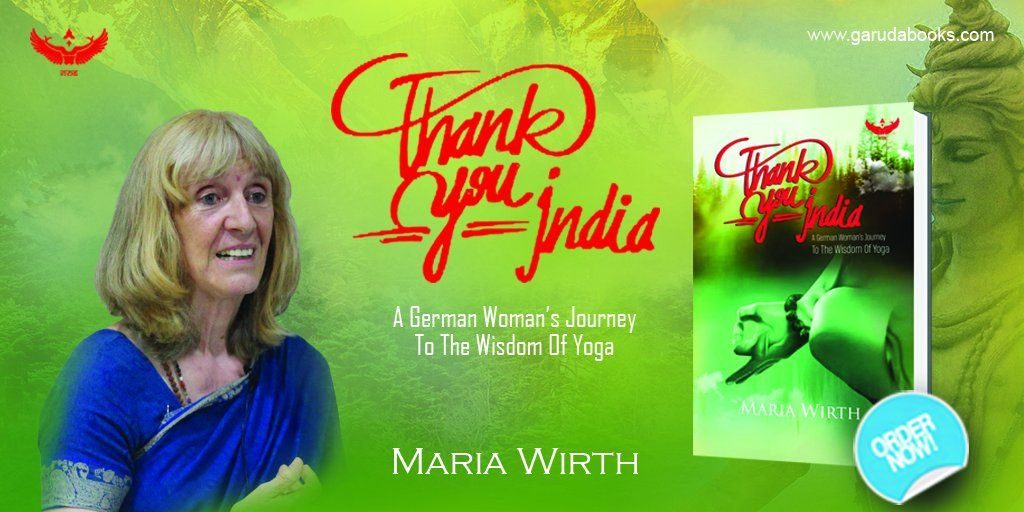
Sanskrit & ShastraDuring the release of my book “Thank you India” at the Dehradun Litfest last November, I met Hemant Kumar and his wife Monica. Meanwhile, he read the book and sent me his review. It is very well written. I post it here: A German, stops over in India on her journey to Australia ge
22 October 2019 · 7 min read
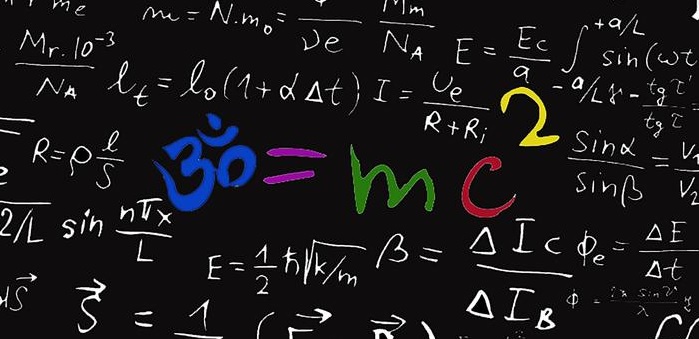
Sanskrit & ShastraWhen I tell someone I am a doctor most people automatically assume I would have nothing to do with religion. I have had that thrown at me so many times that its not even funny anymore! The perception that people into science are not into religion and vice versa is quite widesprea
23 February 2019 · 4 min read
Sanskrit & ShastraThis article is an extract from Two Cheers, for Democracy (1936). by E.M. Forster . E. M. Forster (born 1879) was a novelist and critic whose literary output has been limited in amount but is of very high quality. Of his novels, the best known are Howard’s End (1910) and A Passag
9 January 2019 · 14 min read
Sanskrit & ShastraThe 13th century poet saint Gyandev created a children's game called Moksha Patam. The British later named it Snakes and Ladders instead of the original Moksha Patam. In the original one hundred square game board, the 12th square was faith, the 51st square was reliability, the 57
17 May 2018 · 1 min read